20 May 2026
Adapting Casino Resort Layouts to Incorporate Regional Art Installations and Cultural Events for Enhanced Player Itineraries
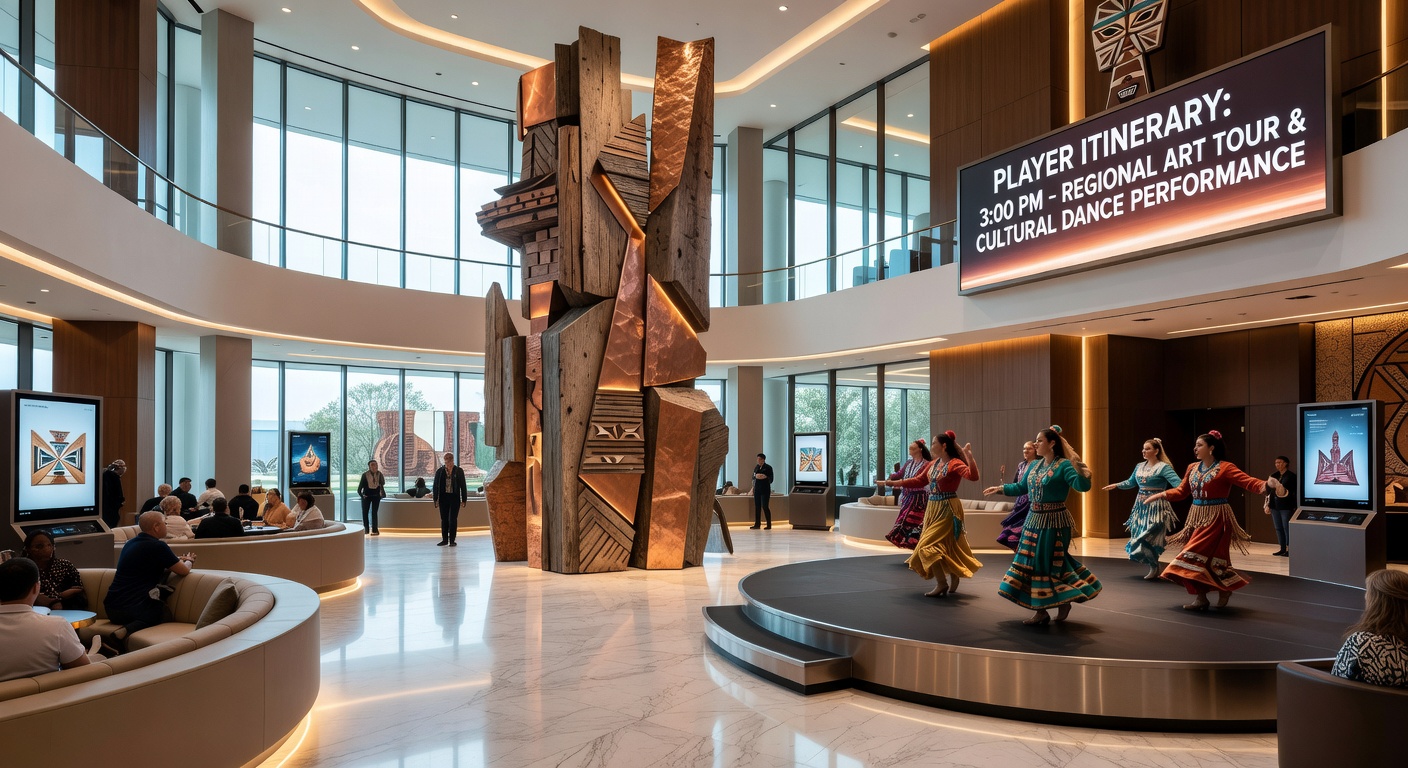
Operators across multiple regions have adjusted casino resort floor plans to weave in local art pieces and scheduled cultural programming, creating routes that guide visitors through a mix of gaming areas and exhibition spaces. These modifications appear in properties from the American Southwest to parts of Australia and Canada, where planners use existing traffic patterns to position installations near slot banks and table games without disrupting core operations. Data collected through visitor tracking systems show that such integrations extend average dwell times by directing people along curated paths that combine entertainment with cultural stops.
Layout Adjustments and Placement Strategies
Design teams reposition walls, lighting, and seating clusters to create sightlines toward regional sculptures, murals, and interactive displays. In facilities near Native American lands, for instance, architects have aligned entry promenades with commissioned works that reflect tribal motifs, allowing guests to encounter these elements before reaching gaming zones. Similar patterns emerge in coastal resorts that incorporate marine-themed installations tied to local fishing heritage. Observers note that these changes rely on modular partitioning systems, which permit quick reconfiguration when events rotate throughout the year.
Traffic flow studies conducted by resort management indicate that art placements at key decision points reduce congestion in high-volume areas while encouraging secondary stops. Planners often map player itineraries using digital heat-mapping tools to identify natural pauses where cultural exhibits can sit without interfering with betting activity. As of May 2026, several properties have completed pilot projects that test seasonal adjustments, such as spring festivals that temporarily expand gallery spaces into adjacent lounges.
Cultural Events and Programming Integration
Event calendars now feature regular performances, workshops, and exhibitions drawn from surrounding communities. Casinos host music series highlighting regional genres, artisan markets showcasing local crafts, and lecture programs on historical topics tied to the area. These activities occupy reconfigured ballrooms or outdoor plazas that connect directly to interior gaming floors through new corridor links. Records from participating resorts show attendance spikes during coordinated weekends when ticketed cultural passes bundle with gaming credits.
Coordination between event staff and operations teams ensures that programming schedules align with peak visitor hours without overlapping major tournaments or promotions. In one documented case, a Midwest property shifted its central atrium layout to accommodate rotating exhibits from a nearby university museum, resulting in measurable increases in cross-traffic between dining outlets and gaming areas. Researchers tracking these initiatives report that such partnerships draw demographics beyond traditional casino patrons, including cultural tourists who extend their stays to attend multi-day festivals.
Impact on Player Itineraries and Data Trends
Enhanced pathways combine gaming sessions with deliberate pauses at art installations or event venues, forming loops that encourage exploration rather than linear movement from entrance to exit. Mobile apps supplied by resorts now include optional cultural maps that suggest timed routes based on real-time event schedules. Figures from property management systems reveal that guests using these guided itineraries visit more amenities per trip compared with those following unassisted patterns.
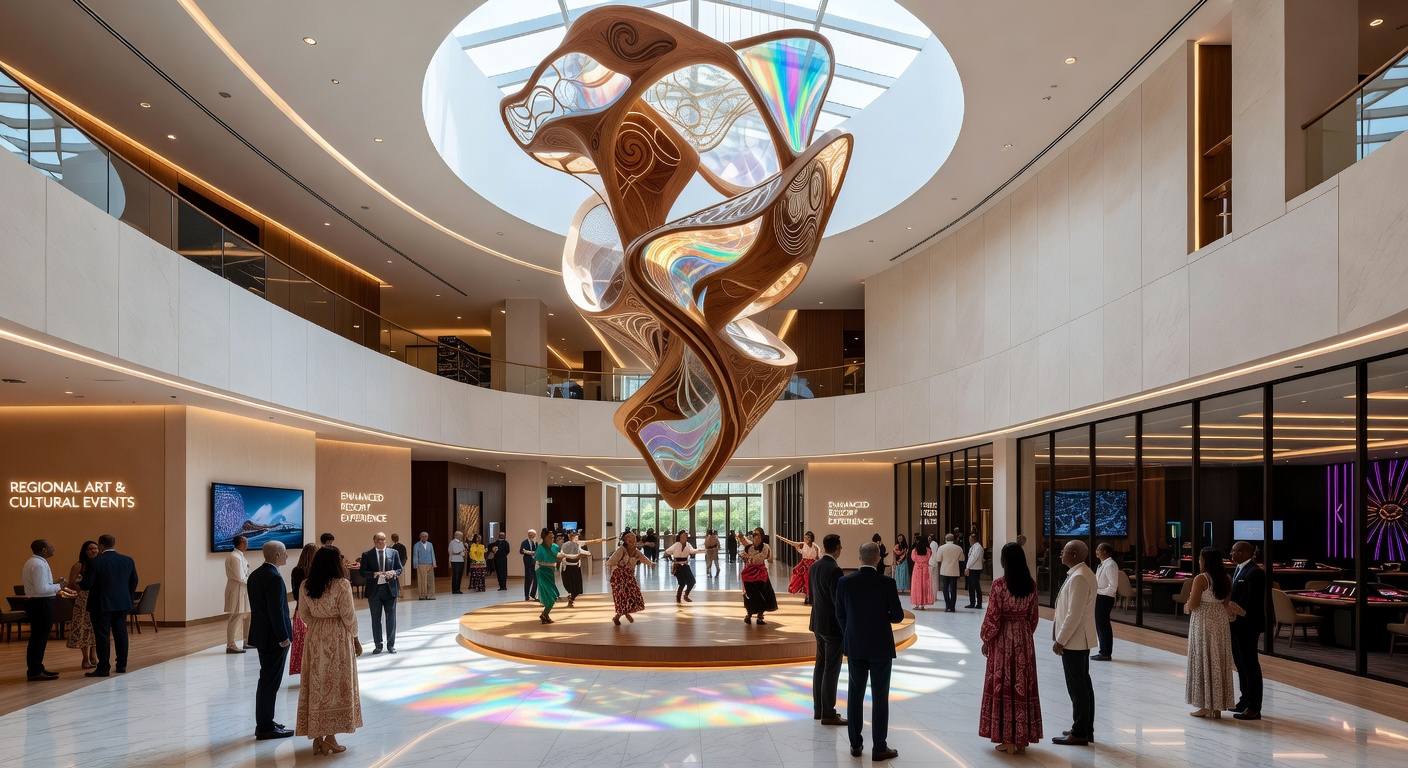
According to information released by the National Indian Gaming Commission, tribal gaming facilities that incorporated heritage installations recorded higher repeat visitation rates in quarterly reports covering early 2026. Parallel findings from tourism research at the University of Nevada indicate that cultural programming correlates with extended on-site spending across food, retail, and entertainment categories. These outcomes emerge when layouts treat art and events as fixed navigational anchors rather than add-on attractions.
Examples from Multiple Regions
Properties in Nevada have introduced desert-landscape photography exhibits along pathways linking hotel towers to casino floors, while Australian venues near the Outback have added Aboriginal art corridors that feed into poker rooms. Canadian operators in British Columbia have tested seasonal indigenous storytelling sessions in reconfigured lounges adjacent to slot areas. Each example demonstrates how regional specificity shapes both physical placement adn event frequency without altering core gaming regulations.
Maintenance protocols now include climate-controlled zones for delicate artworks and reinforced flooring for performance staging. These practical measures support long-term viability while preserving the flow of daily operations. Observers tracking industry reports note that the approach scales across budget ranges, from large destination resorts to smaller regional properties that lease modular display units for rotating shows.
Conclusion
Resort operators continue refining spatial arrangements that embed regional art installations and cultural programming into standard player routes. The resulting itineraries blend gaming with localized experiences, supported by layout data and attendance metrics gathered through 2026. Ongoing adjustments reflect measured responses to visitor tracking rather than uniform templates, allowing each property to align changes with its specific geographic and regulatory context.