20 Jul 2026
Aligning Casino Stays with Harvest Seasons for Agricultural Community Engagement
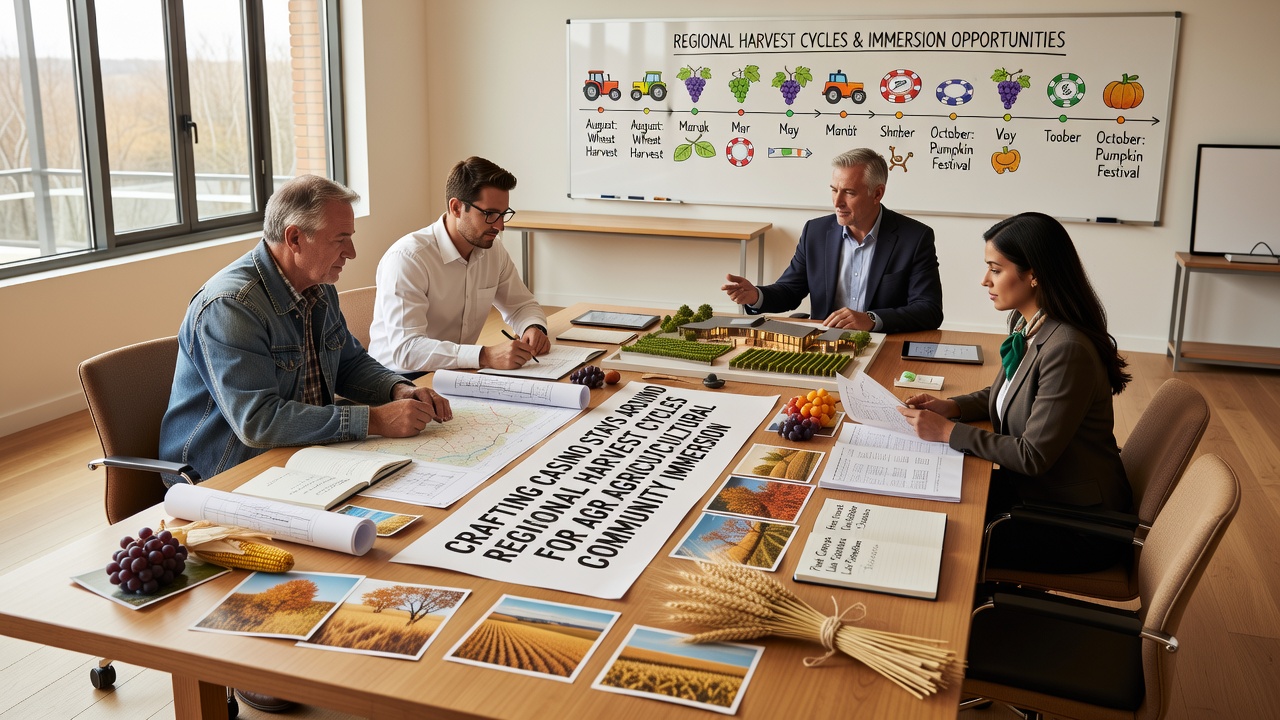
Regional harvest cycles shape many communities across the United States and beyond, and casino operators in certain areas have begun to coordinate guest experiences around those timelines. Data from the United States Department of Agriculture shows that major crops such as corn, wheat, and grapes reach peak activity at predictable intervals each year, creating windows when farms open for tours, tastings, and demonstrations. Casinos located within driving distance of these operations can position their properties as bases for visitors who want both gaming and direct contact with agricultural work.
Observers note that Iowa casinos sit near extensive corn and soybean fields where harvest runs from September through November, while properties in Michigan align with cherry and apple seasons that peak in July and October. Those who coordinate visits during these periods often find local markets and processing facilities operating at full capacity, providing scheduled demonstrations that complement evening casino hours. Research indicates that such timing allows guests to observe machinery in action and participate in short educational sessions before returning to resort amenities.
Mapping Casino Locations to Crop Calendars
Planners who review state agricultural calendars discover clear overlaps between gaming destinations and harvest zones. In California, several tribal casinos operate near Central Valley grape regions where harvest begins as early as late July and extends into October, while properties in the Pacific Northwest sit close to hops fields that reach maturity in August and September. Visitors who select dates within these windows gain access to farm-to-table events hosted by cooperatives and can schedule daytime excursions that finish before casino floors open for evening play.
Similar patterns appear in other jurisdictions. Properties in New York’s Finger Lakes region sit amid vineyards where harvest typically starts in September, and some facilities in the Midwest maintain partnerships with corn maze operators that run through October. Figures from regional tourism boards reveal that attendance at combined farm-and-gaming packages rises during these months compared with off-season periods.
Building Itineraries Around Daily Harvest Rhythms
Effective itineraries incorporate both the pace of casino operations and the schedule of farm work. Morning tours of orchards or vineyards often conclude by early afternoon, leaving time for rest before dinner and gaming sessions begin. Some resorts arrange shuttle services that depart after breakfast and return guests in time for happy hour promotions, creating a rhythm that matches both agricultural labor shifts and casino peak hours.
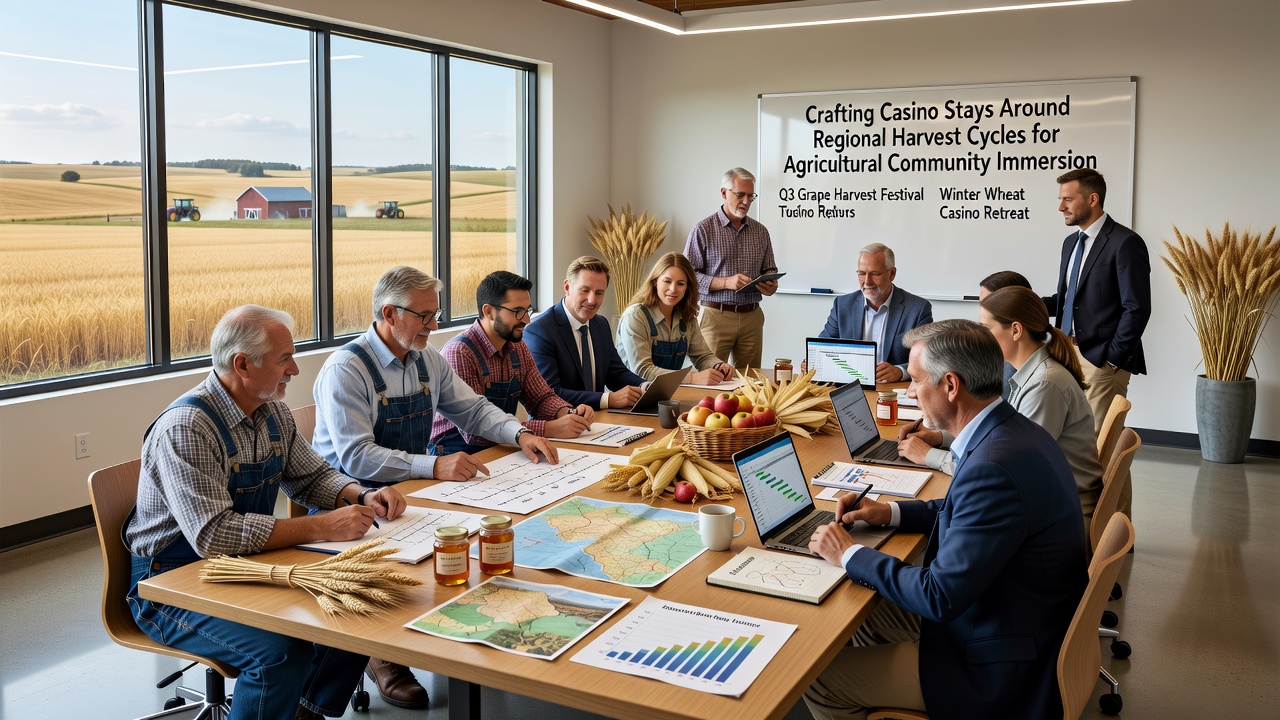
Those who extend stays across multiple days can layer different experiences. A guest might visit a dairy operation one morning, attend a grain elevator tour the next, and finish with a winery crush event later in the week. Data from cooperative extension services indicates that farms welcome advance bookings during harvest because labor demands create structured visitor slots rather than open-ended access.
Supporting Local Economies Through Timed Travel
Coordinated visits generate measurable activity for surrounding businesses. When casino guests purchase produce, attend workshops, or dine at farm restaurants, revenue flows directly to agricultural producers. Reports compiled by state departments of agriculture document increased direct-to-consumer sales during periods when nearby gaming properties promote harvest packages. This pattern holds across multiple regions without requiring changes to casino floor operations.
Transportation links play a supporting role. Properties that maintain relationships with regional transit operators or offer rental vehicles enable guests to reach farms without relying solely on personal arrangements. In July 2026, several Midwest festivals tied to early sweet corn harvest will run concurrently with casino summer promotions, illustrating how calendars can align without additional infrastructure.
Practical Considerations for Guests and Operators
Advance planning remains essential because harvest windows depend on weather and crop maturity. Agricultural extension offices publish updated calendars each season, and casino marketing teams that reference these dates can adjust package offerings accordingly. Guests benefit from checking both resort event listings and local farm schedules before booking, since some demonstrations require minimum group sizes or specific reservations.
Operators have observed that clear communication about timing reduces last-minute cancellations. When promotional materials list exact harvest dates alongside casino amenities, visitors arrive prepared for daytime agricultural activities and evening entertainment. This approach relies on publicly available crop data rather than proprietary forecasts.
Conclusion
Coordination between casino stays and regional harvest cycles creates structured opportunities for agricultural engagement without altering core gaming functions. Available calendars from agricultural authorities and tourism records show consistent overlaps in multiple states, allowing visitors to combine daytime farm activities with evening resort access. Those who review both sets of schedules in advance can build trips that follow natural seasonal patterns while utilizing existing transportation and lodging infrastructure.