24 Jun 2026
Aligning Table Game Tournaments With Regional Harvest Celebrations for Better Travel Logistics
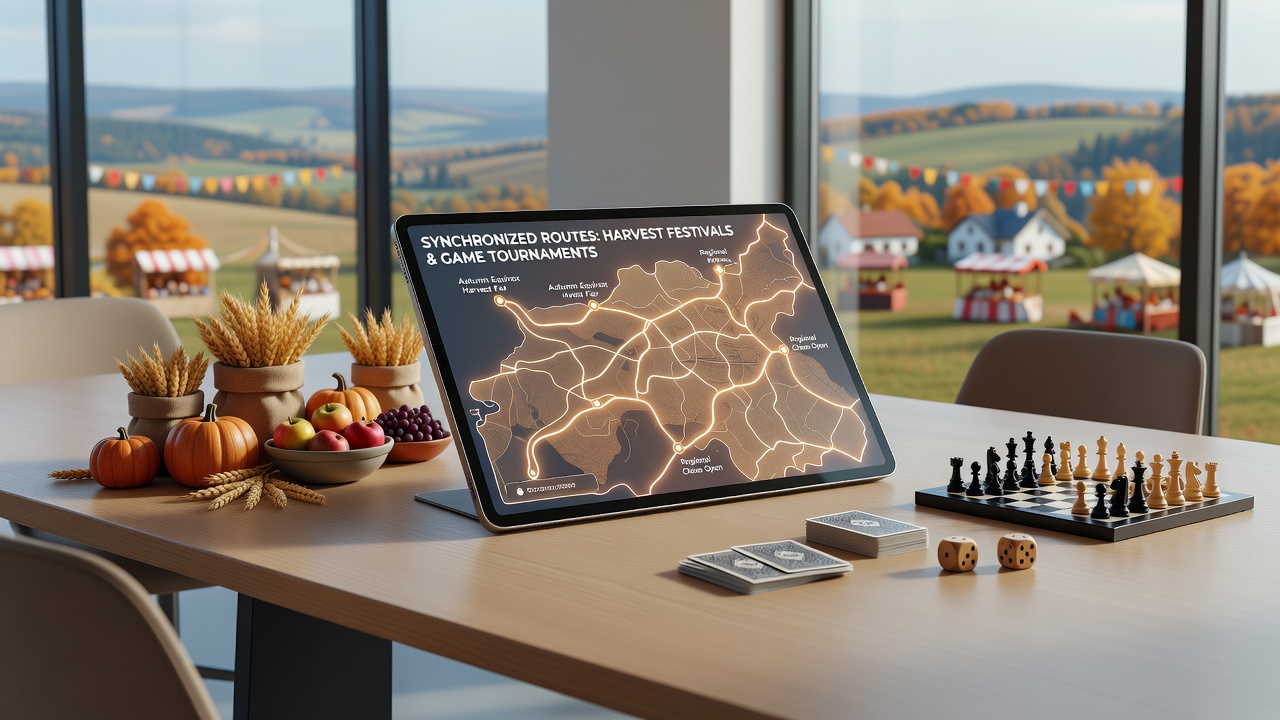
Table game tournaments gain attendance when coordinators match event schedules to nearby harvest festivals and this coordination creates efficient travel patterns for participants moving between venues. Regional celebrations tied to crop seasons draw crowds to specific areas at predictable times each year and tournament organizers use those calendars to reduce overlapping travel demands while extending player stays in one location.
Data from multiple gaming markets shows that synchronized events cut average trip distances by combining casino visits with festival outings in the same region. Players who attend both activities report consolidated itineraries that limit separate journeys and this pattern holds across North American and European destinations where harvest events cluster in late summer through autumn months.
How Event Timing Influences Route Planning
Harvest festivals occur on fixed agricultural cycles that align with particular weeks or weekends and tournament directors review those dates early in the planning process. They select table game formats such as poker series or blackjack competitions that fit within festival windows so attendees can move directly from one activity to the other without additional flights or long drives. Observers note that this approach lowers transportation costs and allows venues to share shuttle services or local transit partnerships during peak periods.
June 2026 planning sessions already incorporate preliminary harvest calendars from major farming districts because organizers need lead time to secure hotel blocks and gaming floor space. Those sessions compare festival start dates against tournament durations to identify gaps where travel routes can stay within a single state or province rather than crossing multiple borders.
Regional Examples of Coordinated Schedules
California wine harvest events in Napa and Sonoma counties run alongside poker tournaments at nearby resorts and this pairing lets visitors attend grape stomping activities in the morning then transition to evening table games without changing locations. Similar alignments appear in the Midwest where corn and pumpkin festivals sit close to casino properties that host multi-day blackjack competitions during the same October weekends.
European examples include harvest fairs in wine-growing regions of France and Italy that coincide with international roulette tournaments and players often combine rail travel between festival grounds and casino sites on the same ticket. Australian operators have tested comparable models during grape and wheat celebrations in South Australia where poker events draw participants who already plan festival trips for agricultural tourism.
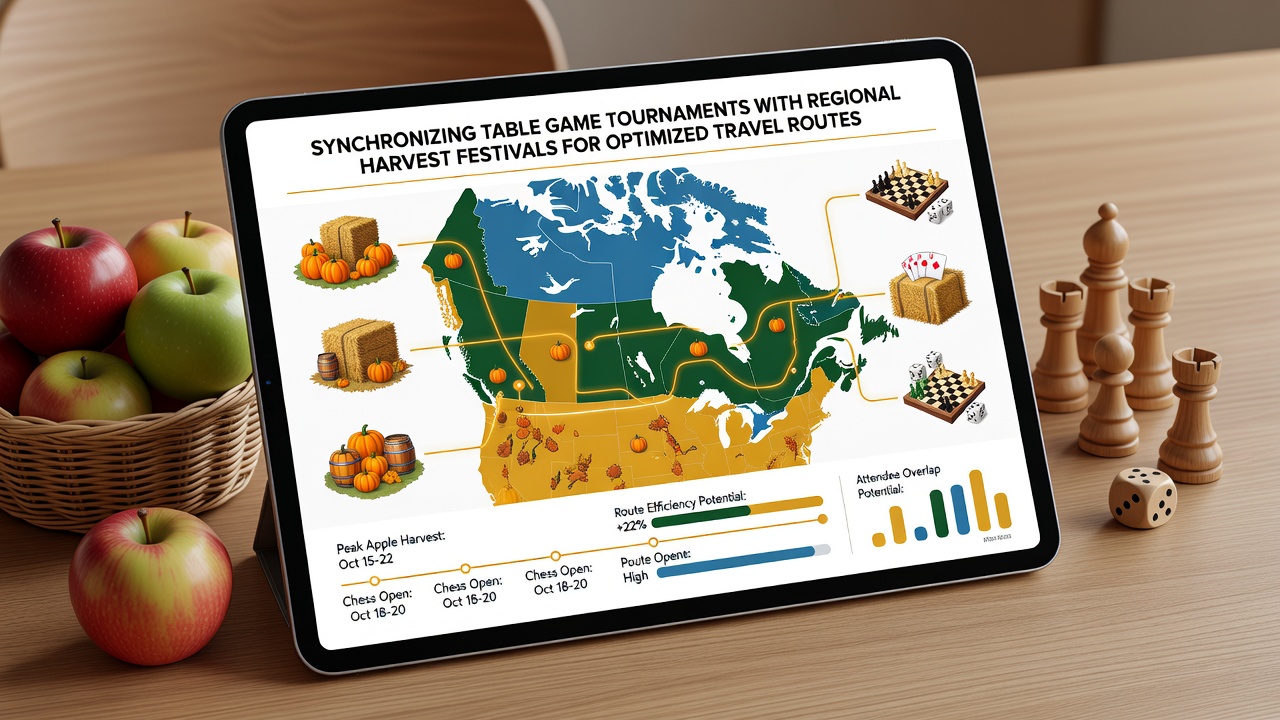
Operational Adjustments for Venues and Players
Venues adjust tournament structures to include shorter daily sessions when festivals run nearby so participants can split time between activities without missing key rounds. Shuttle schedules expand during these periods and local transit authorities sometimes add routes that connect harvest sites directly to casino entrances. Registration systems now include options for combined festival and tournament passes which streamlines entry and provides data on how many travelers use the synchronized model.
Those who study these patterns find that shared marketing campaigns between casinos and festival committees increase visibility for both events and reduce the need for separate promotional budgets. Hotels near both types of venues report higher occupancy rates during aligned weeks because visitors extend stays rather than booking separate trips for each activity.
Considerations for Broader Implementation
Regulatory bodies in several jurisdictions track attendance figures tied to these combined events and the numbers help determine whether additional licensing or traffic management measures are required. Industry reports from groups such as the American Gaming Association document revenue patterns during festival weeks and those figures guide future tournament placements. Academic studies from institutions including the University of Nevada Las Vegas examine how route optimization affects player spending and repeat visits when harvest events anchor the schedule.
Transportation providers examine rail and bus timetables against festival calendars to identify service gaps and they adjust frequencies accordingly. This coordination extends to international travelers who book multi-city packages that include both table game stops and harvest site visits in sequence rather than as isolated destinations.
Conclusion
Coordinating table game tournaments with regional harvest festivals produces measurable improvements in travel efficiency because dates align naturally and venues share infrastructure during those periods. Continued tracking of attendance data and route statistics will show whether this model expands to additional markets in coming seasons while maintaining the same logistical benefits observed so far.