24 Jul 2026
Coastal Casinos Merge Ocean Stewardship Tours with Loyalty Rewards
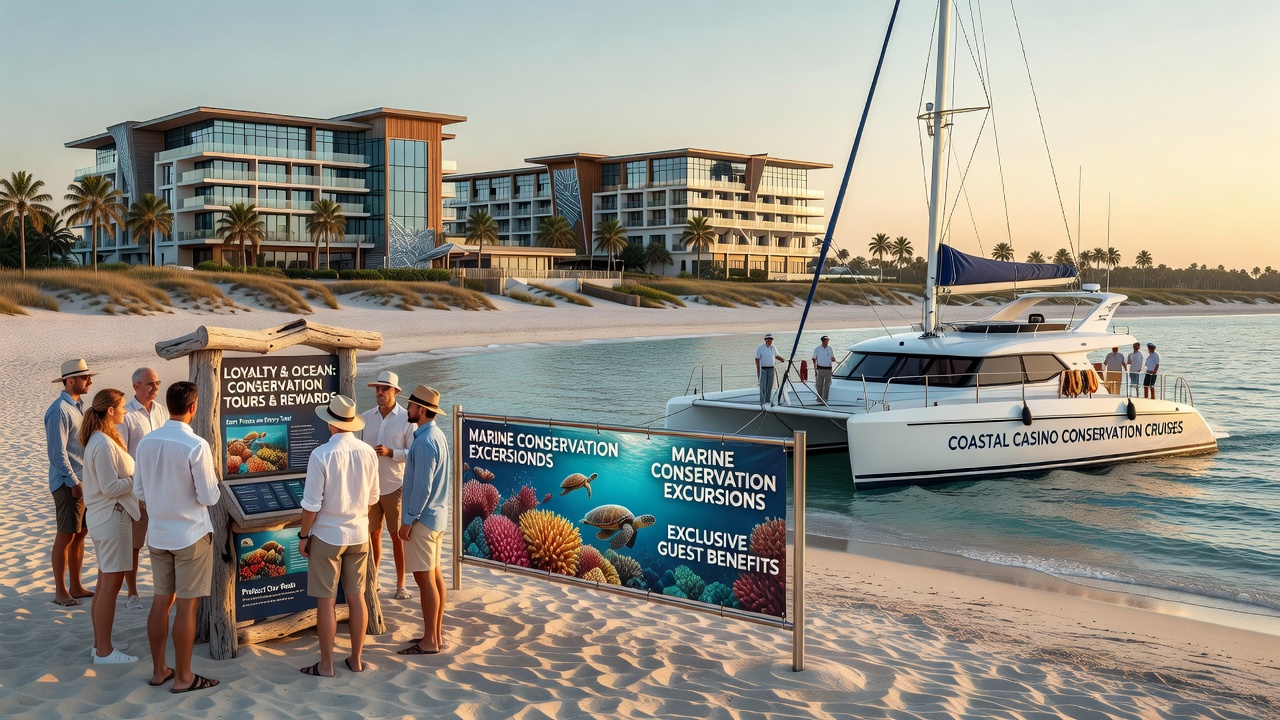
Coastal casinos along various shorelines have developed programs that connect marine conservation tours directly to their resort loyalty systems, allowing guests to earn and redeem points through participation in guided ocean protection activities, and these initiatives appear in multiple regions where gaming properties sit near sensitive marine environments. Data from industry reports indicate that such pairings have expanded since early 2025, with several properties reporting measurable increases in tour bookings tied to reward redemptions during the first half of 2026.
Program Structures Across Different Locations
Properties in areas like the Gulf Coast and parts of the Caribbean integrate snorkeling excursions focused on coral restoration with tiered loyalty accounts, so that participants accumulate bonus points based on tour duration and educational components completed while data shows higher engagement rates when these activities align with existing reward structures. Observers note that guests often receive reduced room rates or complimentary meals after logging multiple conservation outings, creating a feedback loop where loyalty status influences access to exclusive low-impact wildlife viewing sessions. In July 2026 several venues adjusted their point multipliers for summer tours to account for seasonal marine migration patterns, and figures from participating operators reveal steady uptake among repeat visitors who track their contributions through dedicated app interfaces.
Mechanics of Point Accumulation and Redemption
Guests sign up for conservation tours through the casino's central loyalty portal, after which each completed session credits points that can later offset gaming spend or cover resort amenities, while operators track participation via digital check-ins that also log environmental metrics such as reef health observations submitted by participants. Research indicates that properties using this model see repeat tour bookings rise when redemption options include branded merchandise made from recycled ocean plastics or priority reservations for limited-capacity research vessel trips. One case involved a Florida-based resort where members who reached mid-tier status unlocked free equipment rentals for sea turtle monitoring programs, and similar patterns emerged at facilities in the Pacific Northwest where whale watching tours feed directly into the same reward ledger used for slot play and table game comps.
Partnerships with Research and Conservation Groups
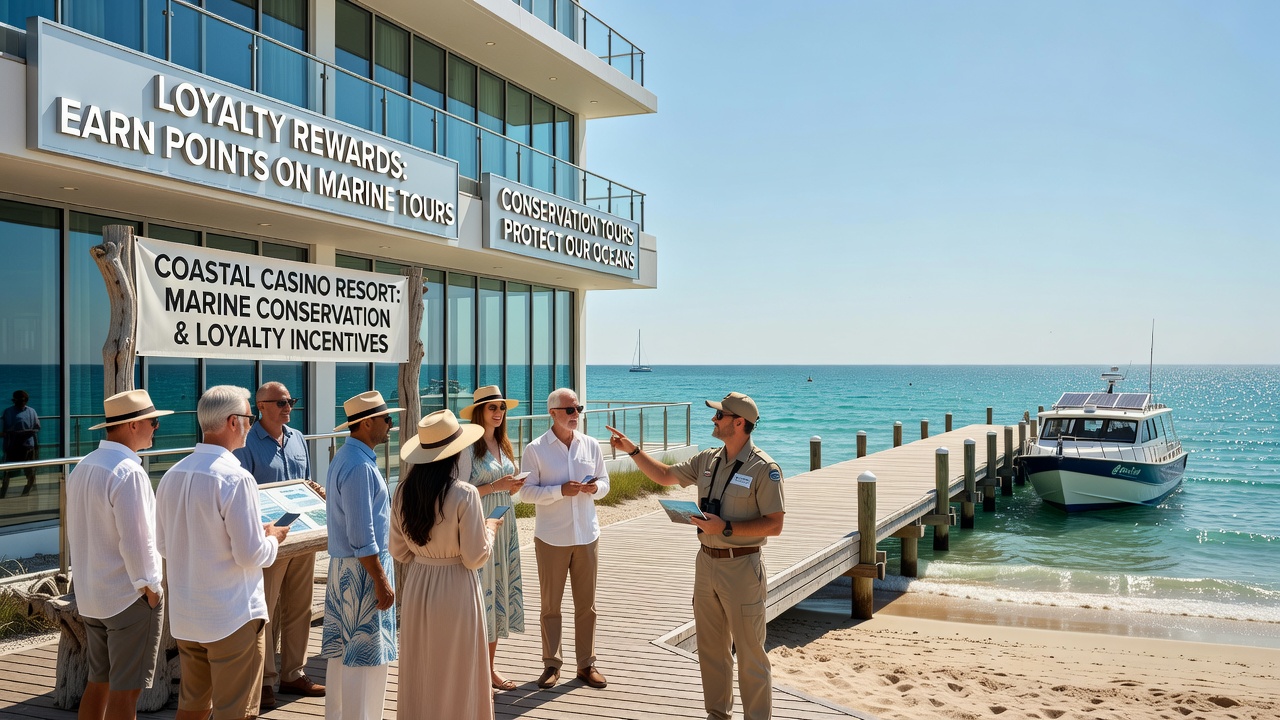
Many programs operate through formal agreements with regional marine institutes, so that guest-collected data on water quality or species sightings contributes to ongoing studies while the casinos handle logistics and marketing. According to NOAA partnership summaries, collaborative efforts of this type have supported extended monitoring windows in 2026, and operators report that loyalty members who submit verified observations receive additional point bonuses. Another arrangement links a New Jersey shoreline property with university-led projects on coastal erosion, allowing participants to attend lectures as part of their reward pathway and then redeem points toward extended stays that include follow-up fieldwork. These connections provide casinos with content for loyalty newsletters and give conservation teams broader public reach without separate funding streams.
Regional Variations in July 2026 Implementation
Facilities in Australia’s coastal gaming zones have emphasized mangrove restoration tours that award points redeemable at integrated resorts, and reports from those markets show alignment with local environmental calendars rather than peak gaming seasons. In contrast, Mediterranean properties tie similar incentives to dolphin population surveys, with loyalty tiers determining whether guests join citizen-science segments or standard educational sails. Operators note that cross-promotion between conservation calendars and gaming events produces higher overall participation when points carry over across both activity types, and data collected through July 2026 indicates consistent month-over-month growth in such hybrid bookings.
Measurement of Environmental and Business Outcomes
Tracking systems record both ecological indicators, such as acres of restored habitat linked to guest tours, and business metrics like average length of stay among loyalty members who engage with conservation options, according to summaries released by United Nations Environment Programme tourism reports. Properties that publish these combined figures demonstrate transparency that strengthens guest trust, while the resulting datasets help regulators evaluate the net impact of tourism on protected marine zones. Observers have documented cases where point redemptions for conservation activities correlate with lower single-use plastic consumption across resort grounds, suggesting indirect behavioral shifts among participants.
Conclusion
Coastal casinos continue to refine the linkage between marine conservation tours and loyalty incentives by adjusting point values, expanding partner networks, and incorporating real-time environmental data into guest experiences, and these efforts produce documented participation trends through mid-2026. The model relies on seamless integration of reward ledgers with tour logistics rather than separate marketing channels, allowing operators to support conservation objectives while maintaining standard gaming revenue streams. Ongoing adjustments based on seasonal marine conditions and guest feedback keep the programs responsive to both ecological priorities and player preferences across multiple coastal regions.