17 Jun 2026
Coordinating Seasonal Crop Celebrations With Casino Retreats in Rural Farming Districts
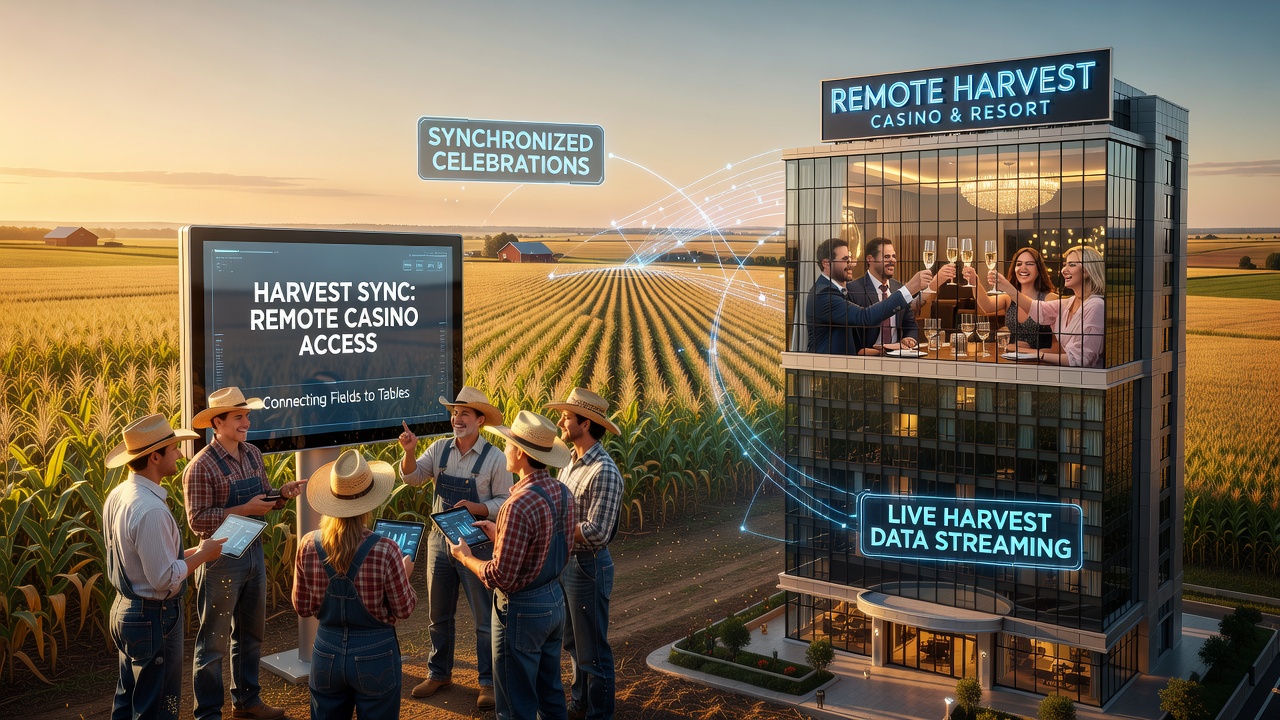
Travel planners and regional tourism boards have observed growing interest in pairing local harvest festivals with overnight stays at casinos located in agricultural zones across the Midwest and Great Plains, where crop celebrations typically peak between late September and early November each year.
Regional Patterns in Festival Timing and Casino Accessibility
States with significant corn, soybean, and wheat production such as Iowa, Illinois, Nebraska, and Kansas host dozens of county fairs and harvest events that draw visitors from surrounding communities; many of these gatherings occur within a short drive of tribal or commercial gaming facilities that operate year-round, allowing travelers to extend their trips without additional long-distance travel. Data from state agricultural departments shows that harvest festivals in these areas often schedule major activities on weekends in October, which aligns with slower mid-week periods at many remote casino properties and creates opportunities for bundled packages that include lodging, dining, and gaming credits.
Observers note that facilities like those operated by the Iowa Tribe of Oklahoma and various riverboat casinos along the Mississippi have begun publishing calendars that cross-reference nearby agricultural events, making it easier for visitors to select dates that coincide with pumpkin festivals, corn mazes, and equipment exhibitions common throughout the heartland during this season.
Logistical Considerations for Combined Itineraries
Transportation networks in these regions rely heavily on state highways and rural rail connections, and tourism reports indicate that visitors who synchronize their arrivals with harvest weekends frequently benefit from reduced room rates at casino hotels because demand remains lower than during summer tourist peaks or major sporting events. According to figures released by regional economic development offices, average daily rates at select properties in western Iowa drop by approximately 15 to 20 percent during early October compared with peak summer months, while local festival attendance simultaneously rises.
Travelers often combine daytime visits to open-air markets and livestock shows with evening entertainment at nearby gaming floors; this pattern appears consistently in visitor surveys conducted by state tourism agencies, which record higher satisfaction scores when guests report attending at least one agricultural event during multi-night casino stays.
Examples From Key Agricultural Corridors
In central Illinois, the annual soybean harvest celebration held in early October sits less than thirty miles from several casino resorts along the Illinois River, enabling day trips that conclude with table games or slot play in the evening. Similar alignments occur in Nebraska, where the state fairgrounds host harvest-themed exhibitions while tribal gaming facilities in the eastern part of the state maintain shuttle services from festival parking areas.
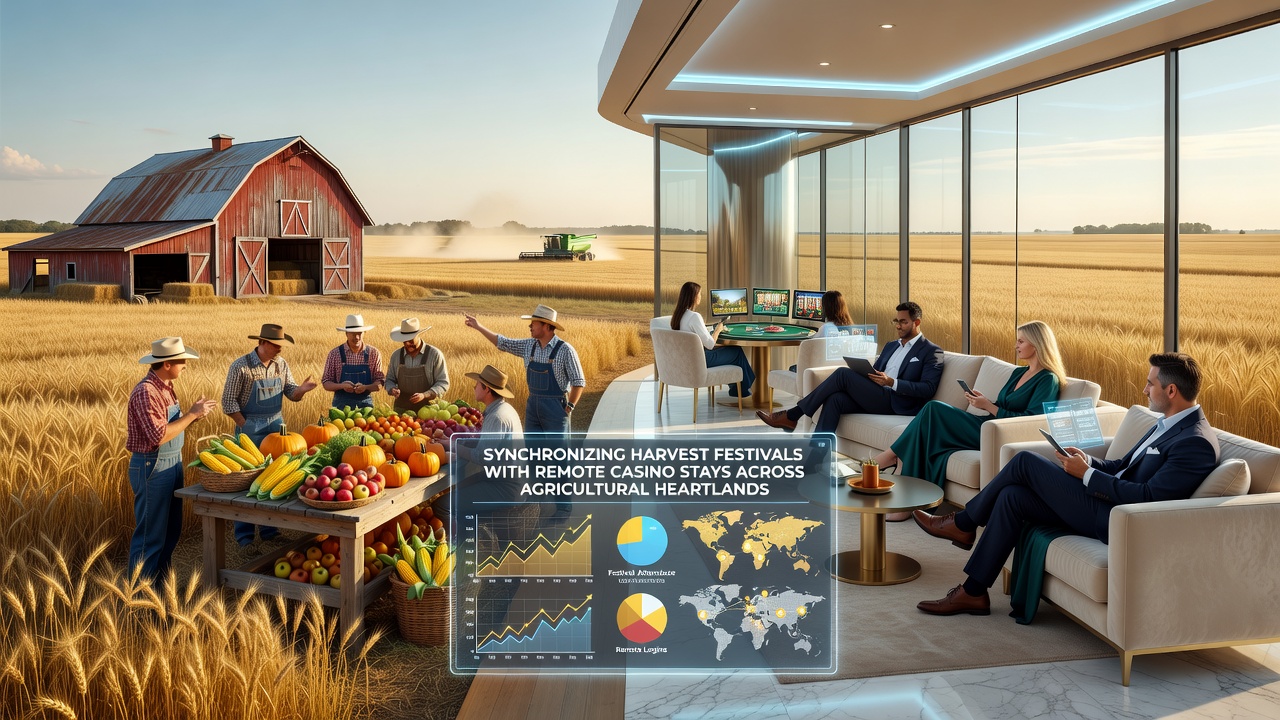
Those coordinating longer journeys sometimes incorporate stops in Kansas, where wheat festivals in late June occasionally overlap with promotional gaming events at prairie casinos, although the primary synchronization window remains the fall months when most row-crop harvests conclude. Industry analyses from agricultural extension services confirm that these overlapping schedules help distribute visitor spending across both farming communities and gaming operators throughout the season.
Emerging Planning Resources and Data Trends
Online platforms maintained by state departments of agriculture and gaming regulatory bodies now list cross-referenced calendars that allow users to filter harvest events by proximity to licensed casinos, and preliminary booking data through June 2026 shows increased advance reservations for October dates compared with the previous year. Researchers tracking tourism flows have documented that properties advertising proximity to agricultural festivals experience steadier occupancy during shoulder seasons when traditional summer travel declines.
Coordination efforts also extend to local chambers of commerce, which publish joint promotions highlighting farm-to-table dining options available at casino restaurants alongside produce from nearby harvest celebrations. These partnerships reflect measurable upticks in cross-visitation numbers reported by participating venues.
Conclusion
Patterns emerging across multiple states demonstrate that aligning harvest festival dates with casino stays in agricultural heartlands follows predictable seasonal rhythms tied to crop cycles and established gaming calendars. Travelers who consult combined schedules from tourism offices and regulatory agencies can identify optimal windows that match local events with available lodging and promotions at remote properties, resulting in integrated trips that span both cultural celebrations and gaming activities without requiring extensive additional planning.