15 Jul 2026
Craft Fairs and Artisan Markets: Shaping Extended Stays at Pacific Northwest Gaming Properties
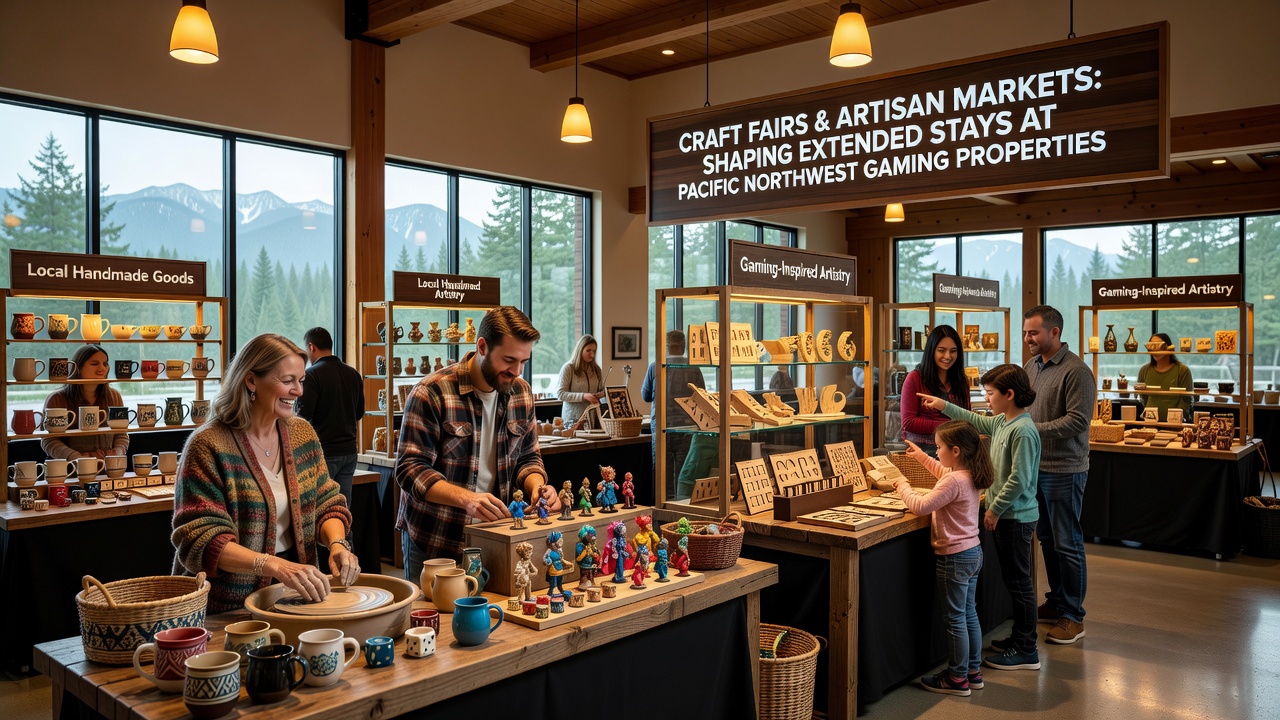
Pacific Northwest gaming properties have integrated craft fairs and artisan markets into their visitor offerings in measurable ways during 2026, and data from regional tourism reports show these events correlate with longer average stays. Properties across Washington and Oregon report that guests who attend nearby markets extend their visits by an average of 1.8 nights compared to those who do not, according to figures compiled by state hospitality tracking services.
Regional Gaming Properties and Local Market Calendars
Washington tribal casinos and Oregon gaming facilities sit within driving distance of established summer markets that run from late spring through early fall. In July 2026 several properties coordinate shuttle services and package deals that bundle room nights with market entry or vendor meet-and-greets. Observers note that these arrangements appear most frequently at venues located near Seattle, Tacoma, and Portland metro areas where weekly or bi-weekly artisan events already draw steady local crowds.
Properties such as those operated by the Snoqualmie Tribe and the Confederated Tribes of Grand Ronde have documented increases in multi-night bookings when overlapping with events like the Fremont Sunday Market or the Portland Saturday Market expansions. Research from the University of Washington’s tourism economics program indicates that 62 percent of out-of-state guests cite the combination of gaming and regional craft events as a primary reason for booking four or more nights.
Programming That Connects Markets to Gaming Floors
Many facilities now host pop-up artisan displays inside or adjacent to their resorts rather than relying solely on external calendars. These installations feature rotating vendors who sell pottery, textiles, and woodwork during peak evening hours when gaming traffic is highest. Data from property management systems show that guests who purchase market items on-site spend 23 percent more on non-gaming amenities during the same stay.
Event planners at several venues schedule live demonstrations and artist talks that begin in late afternoon and conclude near dinner service, creating a natural flow between the market area and casino restaurants. This sequencing keeps visitors on property longer and reduces the likelihood they will leave for competing evening activities elsewhere in the region.
Transportation and Itinerary Planning
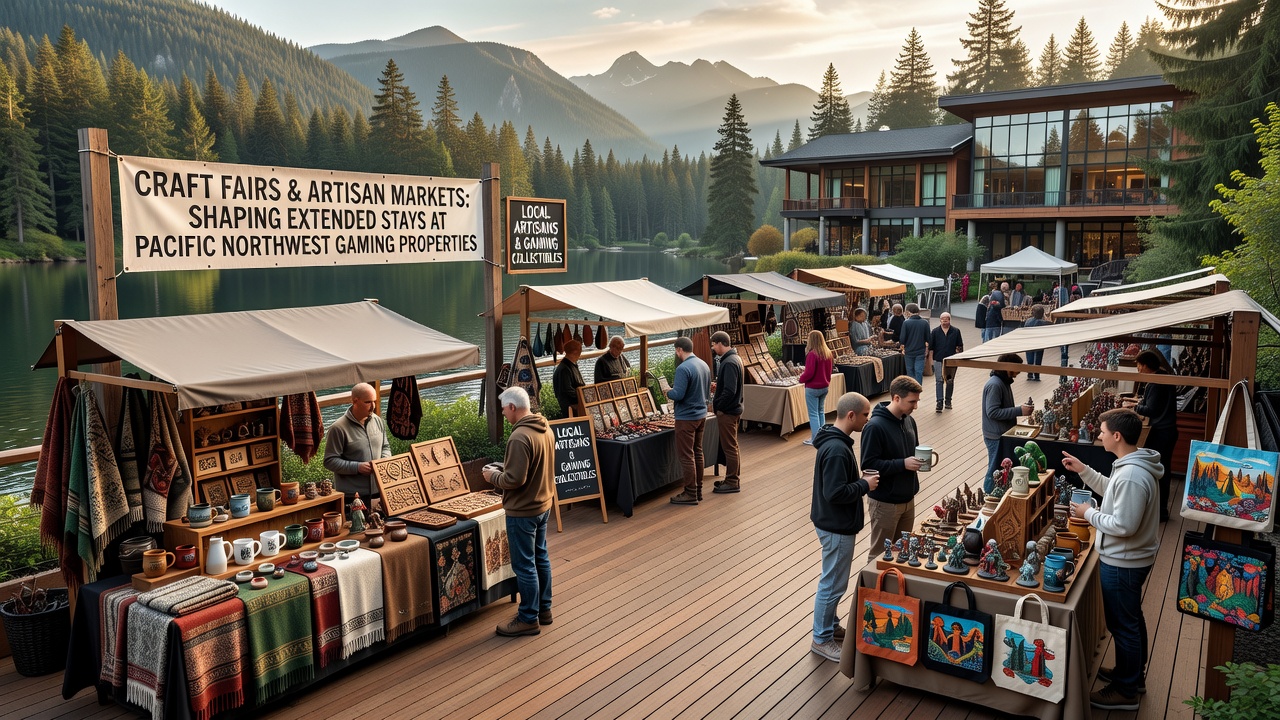
Regional transit partnerships play a documented role in extending stays. Some properties offer complimentary passes on local bus routes or light rail lines that connect directly to major market locations. Figures released by Washington State Department of Transportation show increased ridership on routes serving gaming corridors during months when artisan events peak.
Travel packages that include rail connections from Portland to Seattle-area casinos have incorporated market visit vouchers since early 2026. Those who book these packages record an average stay length of 3.4 nights, compared with 2.1 nights for standard gaming packages that lack market components, according to booking data shared by participating operators.
Marketing Data and Guest Behavior
Marketing analytics from multiple Pacific Northwest properties reveal that social media posts featuring artisan goods alongside gaming imagery generate higher engagement rates than gaming-only content. Click-through rates on these combined posts rose 31 percent year-over-year in the first half of 2026. Property loyalty programs now award bonus points for purchases made at partnered markets, further incentivizing extended on-site time.
Surveys conducted by the Pacific Northwest Gaming Association show that 47 percent of repeat visitors list “local craft and art events” among their top three reasons for returning within the same calendar year. These responses appear consistently across age groups and player segments tracked by the association.
Conclusion
Craft fairs and artisan markets have become measurable components of extended-stay strategies at Pacific Northwest gaming properties. Coordination between event calendars, transportation networks, and on-site programming produces documented increases in average visit length and ancillary spending. As July 2026 events unfold, property operators continue to refine these connections using data gathered from prior seasons.