29 May 2026
Examining the Synergy Between Outdoor Adventure Activities and Casino Resort Stays in Desert Climates
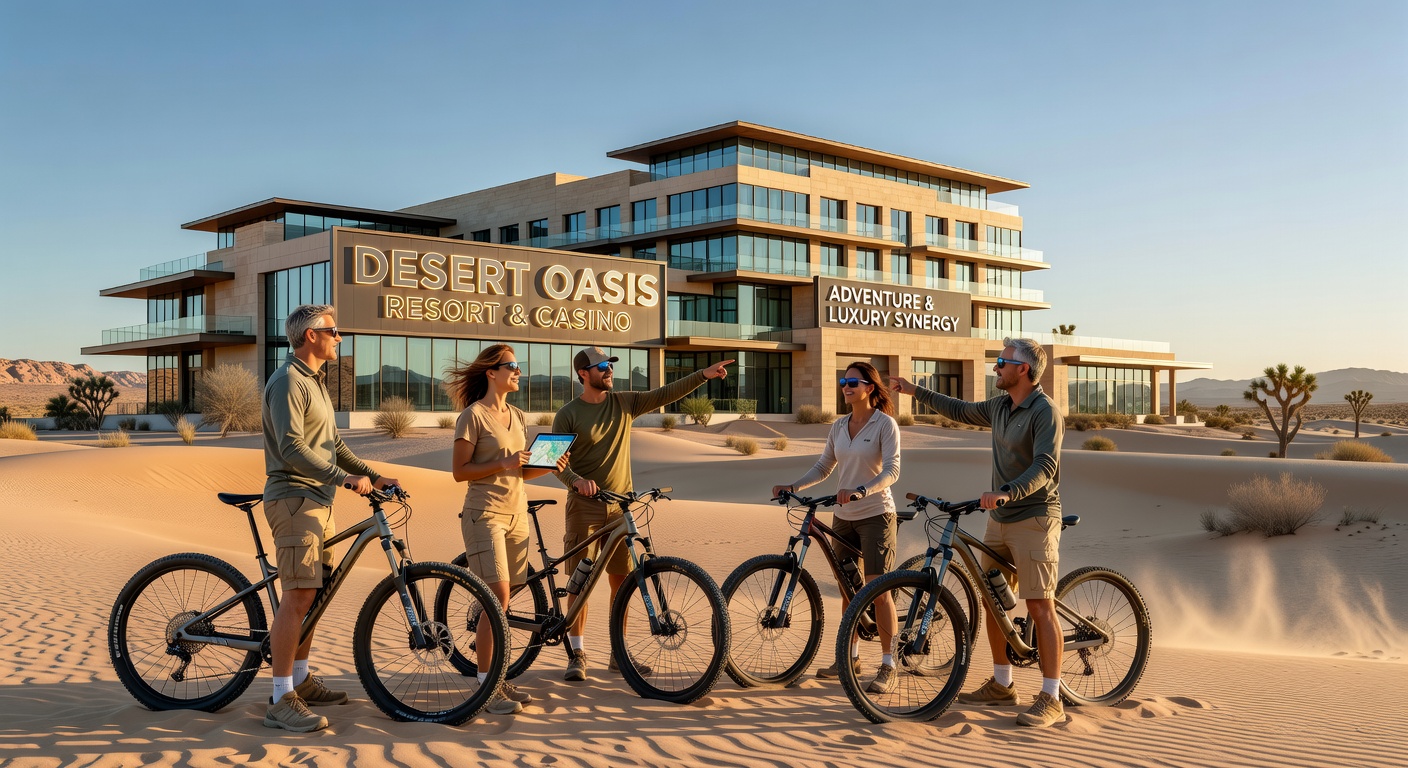
Desert climates host numerous casino resorts positioned near extensive trail systems, canyon networks, and open terrain that support activities such as hiking, mountain biking, and guided off-road tours, allowing visitors to structure days that combine physical exertion with resort-based entertainment options.
Key Desert Locations Supporting Combined Experiences
Las Vegas stands as one central example where major casino properties sit within short drives of Red Rock Canyon National Conservation Area and Valley of Fire State Park, both managed under federal and state oversight that maintains access for recreational users, while data from the Bureau of Land Management tracks annual visitor counts exceeding two million at these sites alone.
Further south in Nevada, Laughlin resorts occupy riverfront positions along the Colorado River with adjacent desert expanses that feature ATV routes and kayaking segments, and similar patterns appear in Arizona where properties near Tucson draw from proximity to Saguaro National Park for sunrise hikes before afternoon returns to gaming floors.
Activity Patterns Observed Across Seasons
Research from tourism monitoring groups indicates that peak periods for pairing outdoor segments with casino stays often align with shoulder months when daytime temperatures remain moderate, and May 2026 records show continued visitor interest in early-morning trail use followed by evening resort programming across multiple Southwest properties.
Operators report that guests frequently schedule guided canyon treks or e-bike excursions in the cooler hours, transitioning afterward to poolside relaxation or table games, a sequence that leverages the natural temperature swings typical of arid environments where nights cool rapidly after sunset.
Supporting Infrastructure and Access Data
Transportation networks including shuttle services from casino properties to trailheads have expanded in recent years, with figures from regional economic reports revealing increased bookings for combined packages that bundle permits, equipment rentals, and return transport.
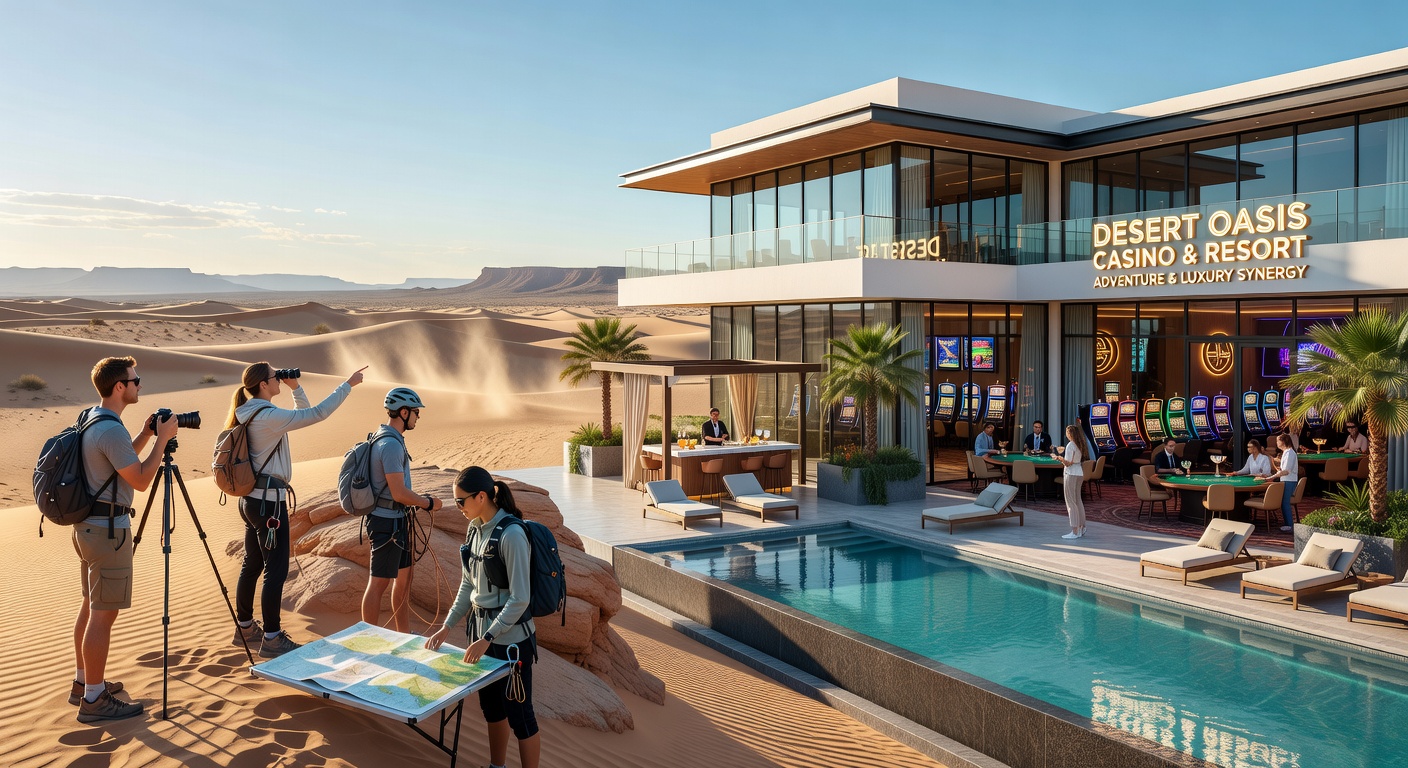
Those who track visitor flows note that desert resorts maintain partnerships with licensed outfitters certified by land management agencies, ensuring compliance with environmental guidelines while supplying maps and safety briefings that cover hydration requirements and wildlife awareness in arid zones.
Economic Indicators and Visitor Metrics
According to data compiled by the Australian Tourism Research Agency on comparable arid destinations such as the Outback regions near Alice Springs resorts, integrated adventure and gaming stays contribute measurable portions to local revenue streams, and parallel patterns emerge in U.S. Southwest statistics where combined itineraries correlate with longer average property stays.
Industry analyses from the Nevada Resort Association document that properties offering direct access to adventure bookings experience higher repeat visitation rates compared to those without such linkages, though exact percentages vary by season and marketing focus.
Environmental Considerations in Planning
Land agencies including the U.S. National Park Service publish guidelines that balance recreational access with habitat protection, requiring permits for larger groups and seasonal restrictions during sensitive periods, and casino operators incorporate these rules into guest recommendations to maintain sustainable usage of surrounding desert landscapes.
Studies conducted by university research teams in arid-zone ecology highlight how controlled visitor distribution across multiple activity zones reduces concentrated impact on any single trail network, supporting continued availability for both adventure participants and resort guests who alternate between environments.
Conclusion
Desert casino resorts and nearby outdoor adventure sites continue to operate in coordinated fashion across established locations, with infrastructure, seasonal data, and regulatory frameworks shaping how visitors move between physical activities and resort amenities throughout the year.