27 Jul 2026
Harvest Festivals Prompt New Patterns in Overnight Accommodations at Prairie Gaming Lodges
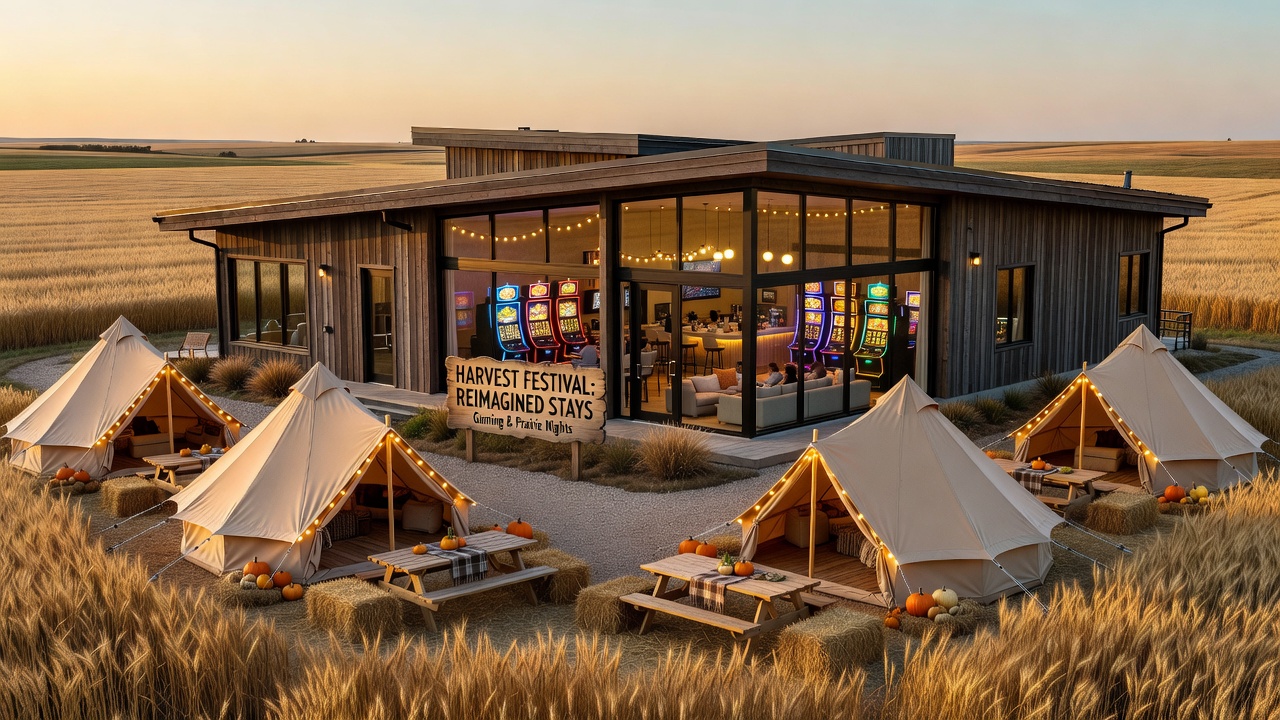
Harvest festivals across prairie states have begun to alter booking trends at gaming lodges in measurable ways, with data from regional tourism offices indicating shifts in occupancy rates during September and October periods. These events, rooted in agricultural traditions of states like Illinois, Iowa, and Kansas, draw visitors who combine cultural activities with extended stays at nearby casino properties, and researchers tracking hospitality metrics note corresponding rises in multi-night reservations rather than single-day visits.
Regional Festival Growth and Lodging Demand
Local harvest celebrations such as corn mazes, pumpkin festivals, and farm-to-table gatherings have expanded in scale through 2026, and figures from state agricultural departments show attendance increases of up to 18 percent year over year in key prairie counties. Gaming lodges positioned near these sites report parallel upticks in room utilization, with properties in central Iowa experiencing average occupancy climbing from 62 percent to 79 percent during festival weekends according to industry tracking services. Observers note that many guests now extend their trips by two or three nights to attend both evening gaming sessions and daytime agricultural exhibits, creating new revenue streams for lodge operators who package shuttle services and ticket bundles.
Booking Behavior Shifts Observed in July 2026 Data
Analysis of reservation systems at prairie gaming facilities reveals that advance bookings for fall harvest periods have risen steadily, while last-minute single-night stays have declined. Hospitality analysts attribute this change to festival calendars that overlap with school breaks and harvest seasons, prompting families and groups to plan combined itineraries. One study from a Midwest university extension service found that 34 percent of lodge guests during these months cited harvest events as a primary reason for selecting the property, compared with 12 percent in prior years before coordinated marketing efforts began.
Integration of Local Traditions with Gaming Amenities
Lodge managers have adjusted programming to align with harvest themes, incorporating seasonal menus featuring local produce and limited-time gaming promotions tied to festival schedules. These adaptations appear in properties across Kansas and Illinois, where data indicates that themed weekends generate higher average daily rates without increasing overall room inventory. External transportation links, including regional rail options, further support longer stays by reducing travel friction for visitors traveling from urban centers to rural festival grounds and back to lodge accommodations.
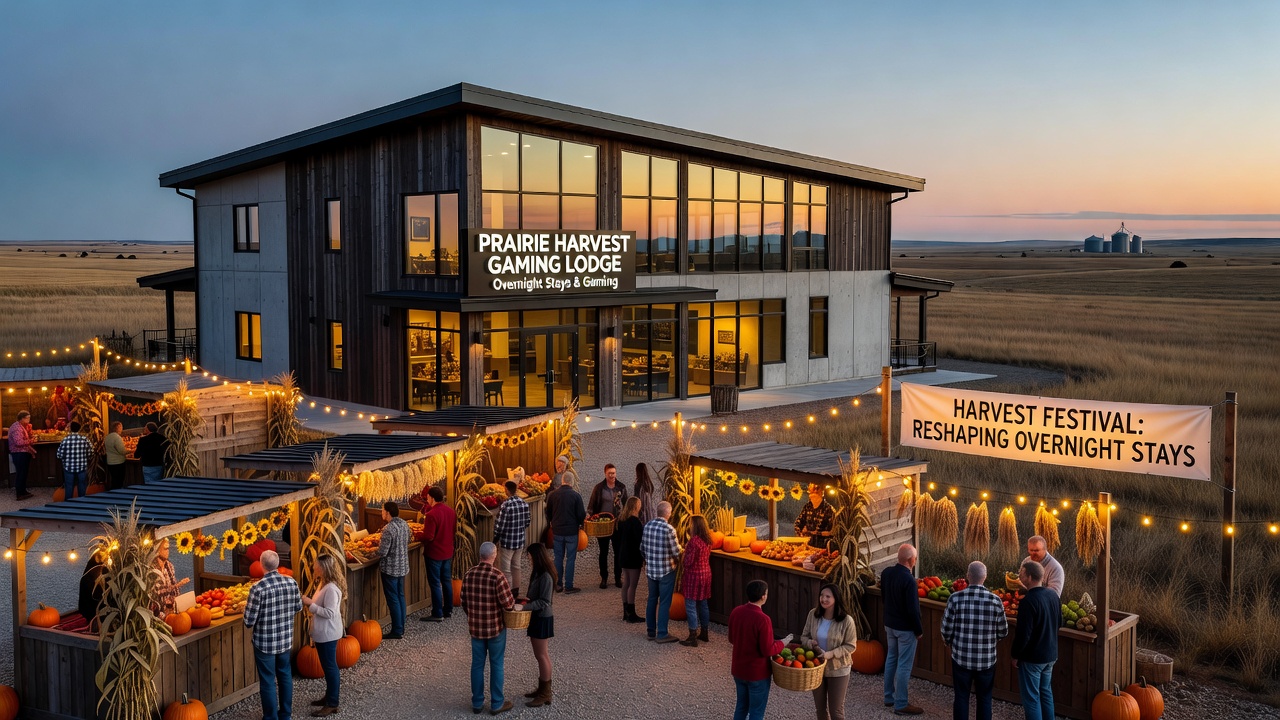
Those tracking visitor patterns point to increased demand for suites and connecting rooms during peak harvest weeks, as groups often include multiple generations attending both agricultural demonstrations and casino entertainment. Revenue reports from participating lodges show that food and beverage sales tied to festival-inspired offerings have grown alongside room occupancy, with one Kansas property documenting a 22 percent rise in banquet bookings for harvest-themed events in the first half of 2026.
Economic Indicators and Visitor Demographics
State-level gaming revenue compilations and tourism surveys together illustrate how harvest festivals contribute to sustained overnight demand rather than day-trip spikes alone. Demographic breakdowns from lodging associations highlight growth among visitors aged 35 to 55 who cite both gaming and cultural activities as motivators, while younger travelers show interest in experiential packages that include farm tours followed by evening lodge stays. These trends hold steady through mid-2026, with preliminary July figures suggesting continued momentum into the fall season.
Strategic Adjustments by Lodge Operators
Operators have responded by coordinating with local festival organizers on shared promotion calendars, and this collaboration appears in multiple prairie markets where joint advertising has expanded reach. Lodges now feature dedicated harvest packages on their booking platforms, listing inclusions such as discounted gaming credits and transportation to nearby events. Such measures align with broader patterns documented in regional hospitality studies, where properties integrating community events report stronger retention of repeat visitors compared with those maintaining standard offerings.
Conclusion
Data from 2026 indicates that harvest festivals continue to influence overnight patterns at prairie-state gaming lodges through extended stays, themed programming, and coordinated local partnerships. These developments reflect measurable intersections between agricultural tourism and gaming hospitality, supported by reservation trends and attendance records across Illinois, Iowa, and Kansas properties. Further monitoring by industry groups and academic researchers will track whether these shifts persist into subsequent seasons.