22 Jul 2026
Hidden Tracks and Casino Circuits: Rail Routes Through America's Overlooked Gaming Towns
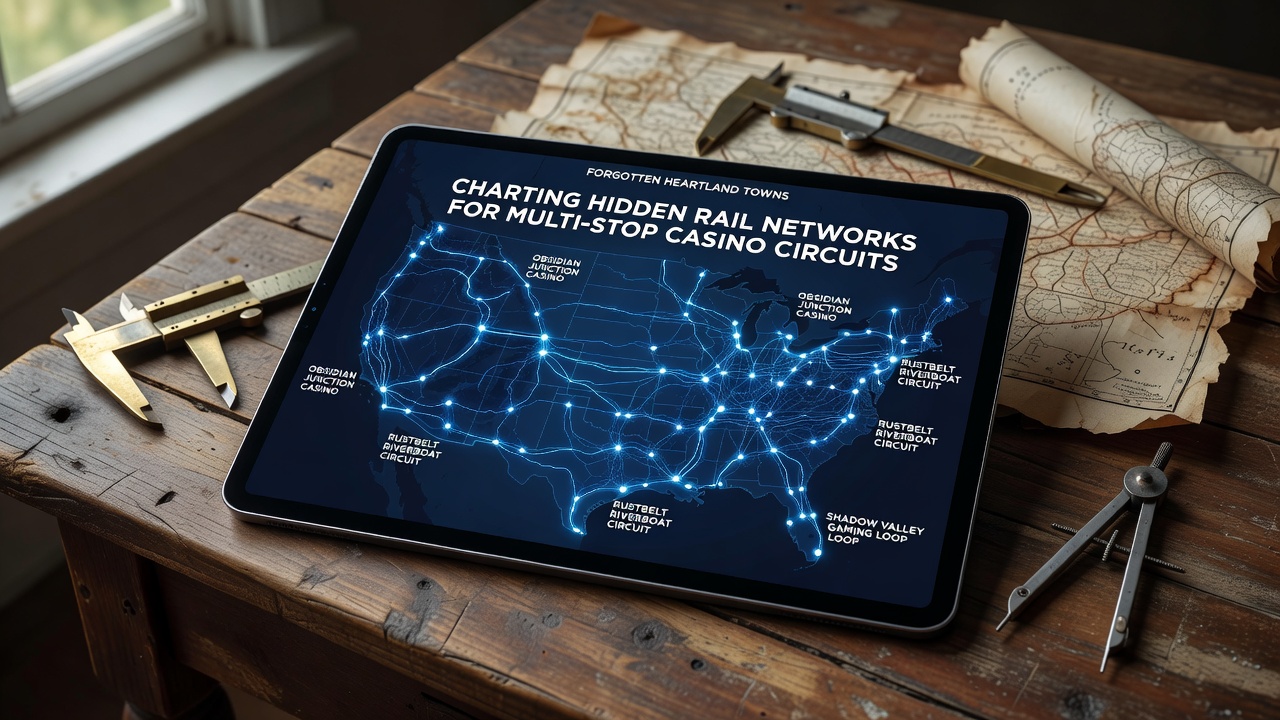
Observers note that rail networks once built for freight and passengers now support multi-stop casino circuits in heartland towns that rarely appear on standard tourism maps, and data from the Federal Railroad Administration shows these routes handle increasing leisure traffic as travelers seek alternatives to highways. Towns in Illinois, Indiana, and Missouri host smaller gaming facilities that connect through Amtrak lines and regional spurs, creating circuits where players board in one location, stop at several others, and return without relying on personal vehicles.
Research indicates the Chicago-to-St. Louis corridor serves as a backbone for such journeys, with stops near gaming venues in Joliet and Alton that draw riders from surrounding counties, while additional spurs extend into areas like Carbondale where local operators report steady arrivals via train. Figures from July 2026 reveal passenger volumes on these segments rose 3.2 percent compared with the prior year, according to Amtrak ridership summaries, and this uptick aligns with expanded schedules that accommodate evening departures popular among circuit players.
Mapping the Core Routes and Connections
Those who've examined timetables find the Lincoln Service train provides reliable links between major hubs and smaller stations positioned near casino properties, and historical rail maps show these paths follow alignments laid down in the 19th century for agricultural transport that later adapted for passenger use. In Indiana the Cardinal route passes through towns such as Crawfordsville and Lafayette where gaming establishments sit within walking distance of depots, allowing seamless transfers onto local buses or short rideshares that complete the circuit segment.
Experts at the Surface Transportation Board documented how freight companies share tracks with passenger services in these regions, and this shared infrastructure keeps fares lower than comparable air or car options for multi-day trips. Data shows average ticket prices on heartland segments stayed under $45 one-way during the first half of 2026, which supports repeated stops at venues spaced 50 to 90 miles apart.
Station Amenities and Local Transit Links
Travelers often discover that many depots feature upgraded waiting areas with digital displays listing casino shuttle times, and partnerships between rail operators and local transit authorities in Missouri have added dedicated evening runs from stations in Jefferson City to nearby gaming sites. These connections reduce wait times to under 20 minutes at peak hours, according to schedules posted by the Missouri Department of Transportation in July 2026.
One study from the University of Illinois tracked circuit patterns and found riders typically complete three stops over two nights, returning via the same line with minimal backtracking, while similar patterns appear along the Texas Eagle route that reaches gaming locations in southern Illinois. Observers note signage at stations now includes QR codes linking to combined rail-and-gaming packages offered by select properties.
Seasonal Adjustments and Infrastructure Updates
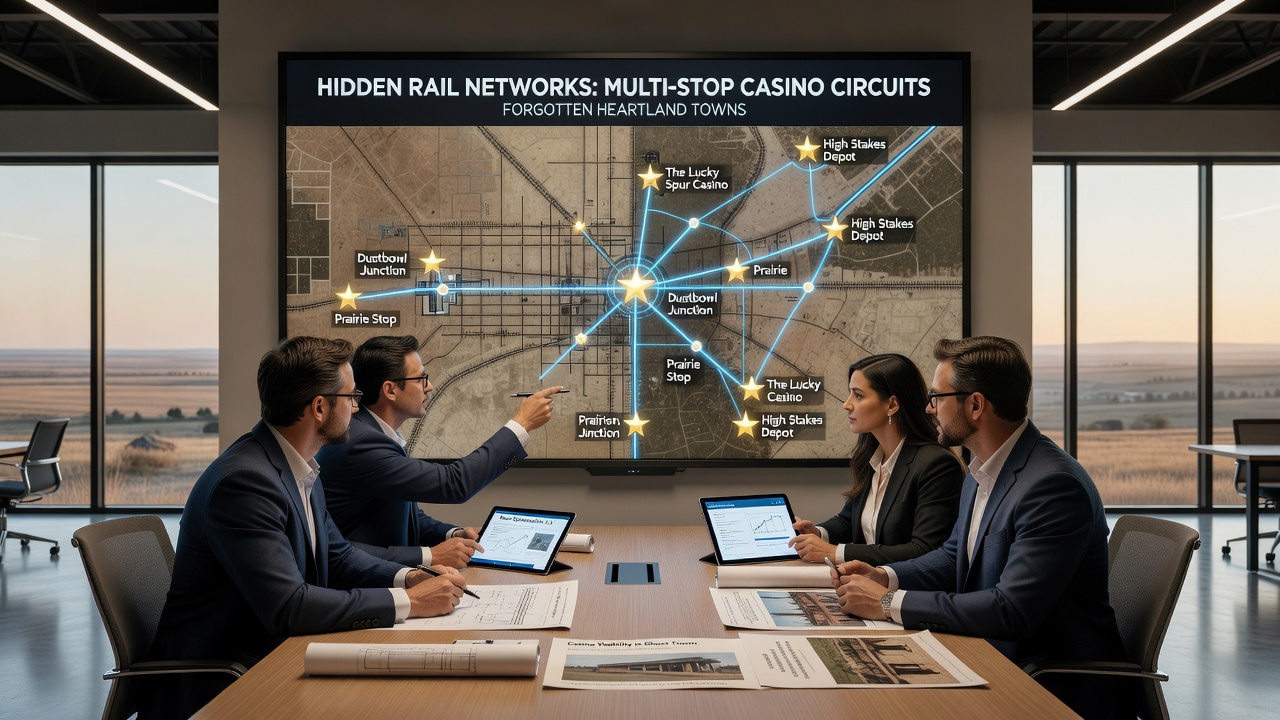
Maintenance windows scheduled for late summer 2026 affect select segments yet operators published alternative routing options that preserve access to the same casino clusters, and federal funding allocated through the Infrastructure Investment and Jobs Act continues to support track upgrades that shorten travel times between stops. Reports from the American Public Transportation Association indicate these improvements also benefit freight movement, which in turn sustains the economic viability of smaller stations that serve gaming visitors.
Local chambers of commerce in affected towns publish updated guides that list station-to-casino walking paths and bike rentals, and these materials highlight how rail circuits reduce traffic congestion around venues during weekend peaks. Evidence from July 2026 ridership logs shows consistent demand on Thursday and Sunday legs that bookend typical multi-stop itineraries.
Conclusion
Patterns documented by transportation researchers demonstrate that hidden rail networks continue to evolve as practical arteries for casino circuits in heartland communities, and ongoing coordination between rail authorities and local gaming operators supports further integration of schedules and amenities. Travelers who follow published timetables and local transit connections can navigate these routes with predictable timing and cost.