5 Jun 2026
Navigating Multi-State Gaming Circuits Through Strategic Rail Connections and Local Transit Hubs
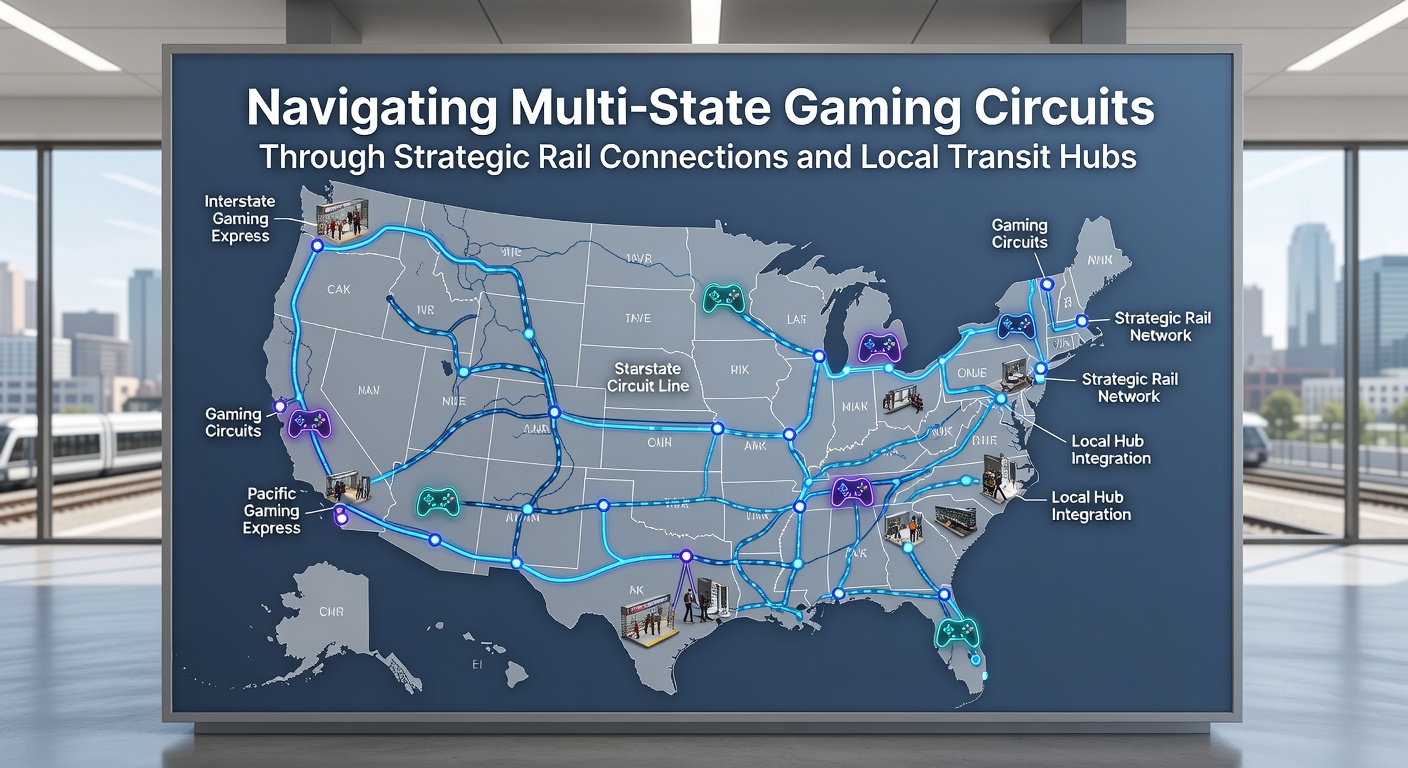
Multi-state gaming circuits rely on coordinated rail networks and local transit systems that connect major casino destinations across regions such as the Northeast corridor and Midwest routes. Travelers move between facilities in New Jersey, Pennsylvania, New York, and Illinois through established Amtrak services and regional operators that reduce reliance on personal vehicles. Data from the Federal Railroad Administration shows steady growth in passenger volumes along these corridors through early 2026, with June schedules incorporating additional frequencies to accommodate seasonal demand patterns.
Rail Corridors Connecting Key Gaming Markets
The Northeast Corridor serves as a primary artery for circuits that include Atlantic City, Philadelphia, and New York metro properties, where Amtrak trains link directly to casino shuttle services at major stations. Observers note that passengers often transfer at 30th Street Station in Philadelphia to reach multiple properties within a single day, while connecting lines extend westward toward Chicago gaming venues. Research from the American Public Transportation Association indicates that integrated ticketing options between Amtrak and state-run rail services have expanded since 2024, allowing seamless movement across state lines without separate bookings for each segment.
Midwest circuits benefit from routes that tie together Illinois, Indiana, and Missouri locations through Chicago's Union Station hub. Local transit agencies coordinate schedules with incoming rail services to transport visitors to riverboat casinos and urban gaming floors. Figures released by the Illinois Department of Transportation reveal that combined rail and bus ridership to gaming sites increased during the first half of 2026, reflecting adjustments in service timing that align with peak visitation windows.
Local Transit Hubs and Transfer Efficiency
Transit hubs function as critical nodes where rail arrivals feed into bus, light rail, and shuttle networks that complete the final leg to casino properties. In New Jersey, NJ Transit operates dedicated routes from Newark and Trenton stations that serve multiple Atlantic City destinations, with real-time tracking applications helping passengers manage connections during peak periods. Similar arrangements exist in Pennsylvania, where Southeastern Pennsylvania Transportation Authority lines interface with Amtrak at key points to distribute travelers efficiently.
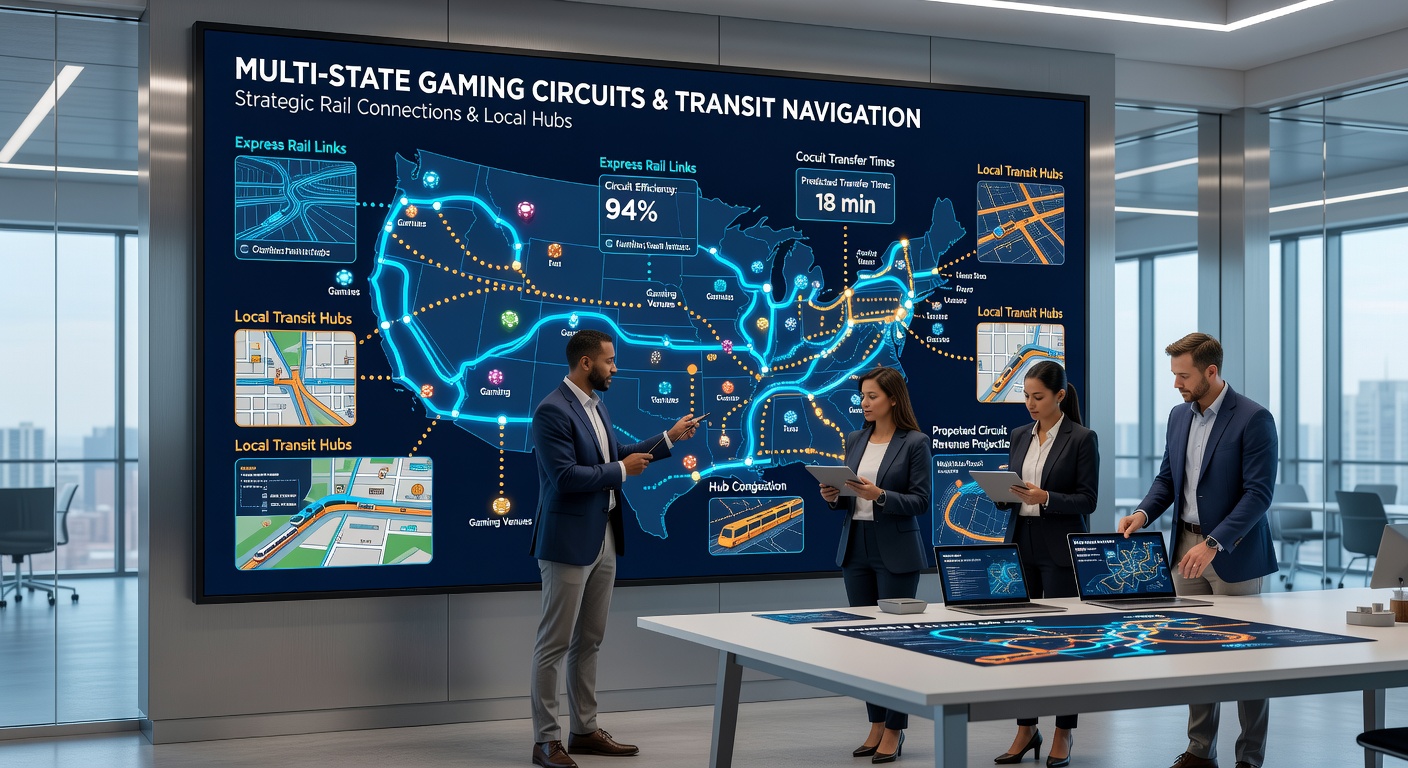
Chicago's transit system demonstrates how a central hub manages high volumes of visitors arriving from surrounding states. Metra and Chicago Transit Authority services connect Union Station arrivals to properties along the riverfront and in suburban locations, with dedicated express options during evening hours. Studies conducted by the University of Illinois at Chicago have documented reduced travel times for multi-property itineraries when passengers utilize these coordinated transfers rather than independent arrangements.
Strategic Planning for Cross-State Itineraries
Effective navigation requires attention to schedule alignment between long-distance rail and local operators, particularly when circuits span three or more states. Passengers frequently combine overnight Amtrak segments with morning local connections to maximize time at gaming venues. Industry reports from the American Gaming Association note that operators in multiple jurisdictions have begun promoting bundled transportation packages that incorporate rail fares and casino shuttles as single transactions.
June 2026 timetables introduced expanded service on several routes serving gaming markets, including additional midday departures that accommodate day-trip visitors. These adjustments respond to ridership data collected during the preceding year and reflect ongoing coordination between federal, state, and private entities. Travelers who map connections in advance can reduce layover durations and maintain momentum across state boundaries.
Integration with Broader Transportation Networks
Rail and transit connections operate alongside airport access points and interstate bus services to create layered options for circuit participants. Major stations now feature consolidated information centers that display combined schedules for rail, bus, and shuttle services, streamlining decision-making for visitors. Data compiled by the U.S. Department of Transportation highlights how such integration supports higher utilization rates on existing infrastructure without requiring new construction.
Those who have examined usage patterns across regions report that rail-based circuits maintain consistent performance even during periods of variable fuel prices or highway congestion. Coordination between different state agencies continues to evolve, with digital platforms providing unified route planners that account for transfers across jurisdictional lines.
Conclusion
Rail networks and local transit hubs form the operational backbone for multi-state gaming circuits, enabling structured movement between destinations while leveraging existing infrastructure. Continued schedule refinements and integration efforts through 2026 support reliable access across key markets. Passengers who utilize these systems benefit from documented efficiencies in travel time and cost when connections are planned around published timetables and hub operations.