26 Jun 2026
Riverboat Circuits and Rail Heritage: Mapping Midwest Gaming Escapes
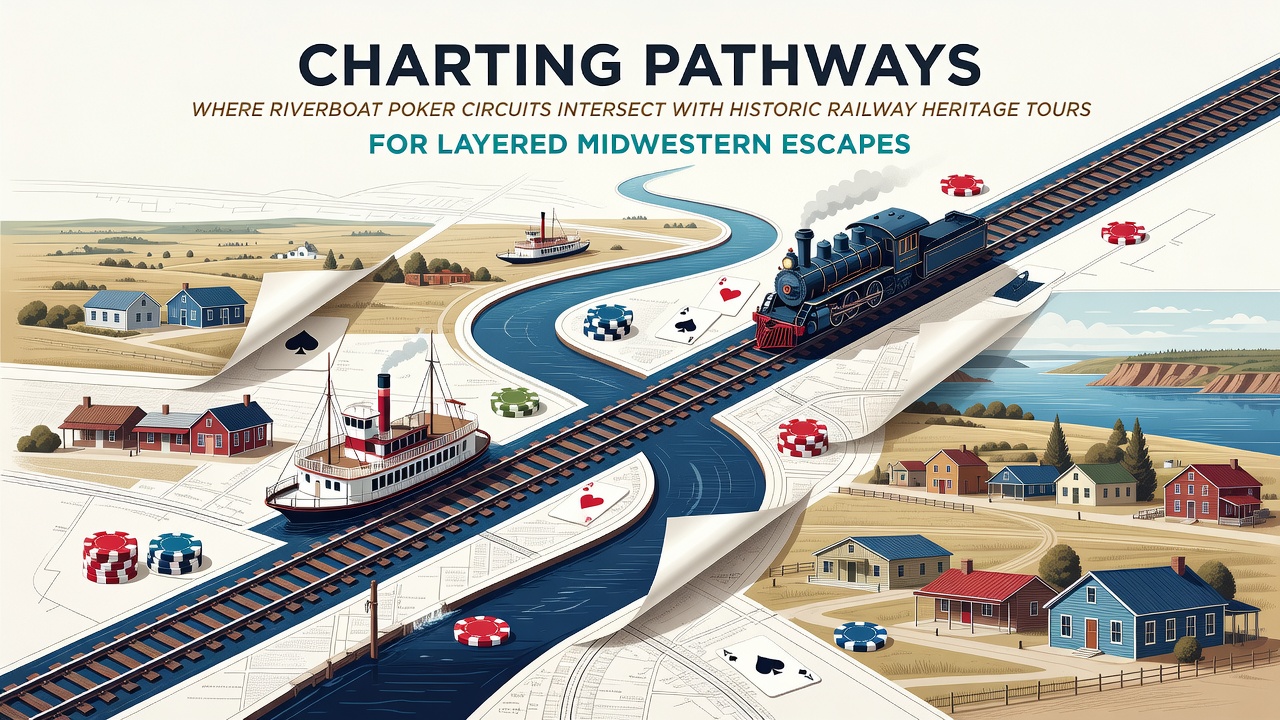
Travel planners have documented multiple routes where riverboat poker operations align with preserved railway lines across Illinois, Iowa, Missouri, and Wisconsin, creating combined itineraries that span several days in June 2026. Data from state tourism offices show increased bookings for packages that pair overnight stays on Mississippi River vessels with daytime excursions on heritage trains operated by groups such as the Boone and Scenic Valley Railroad and the Illinois Railway Museum. These pathways allow participants to move between gaming venues without relying solely on highway travel, while the rail segments pass through regions that retain 19th-century track infrastructure and station buildings.
Riverboat casinos licensed in Iowa and Illinois maintain regular schedules from ports including Dubuque, Bettendorf, and East St. Louis, with poker rooms operating daily tables that accommodate both cash games and tournament play. Heritage rail services run parallel to river corridors on segments that once served freight and passenger traffic during the steamboat era, and operators coordinate departure times so that travelers can disembark from a riverboat in the morning and board a restored coach by midday. Schedules released for the 2026 season list departures on the first and third weekends of June, aligning with extended daylight hours that extend sightseeing opportunities along the routes.
Key Intersection Points Along Established Corridors
One frequently mapped segment begins at the riverboat landing in Davenport, Iowa, then connects via local transit to the Quad Cities station where excursion trains depart toward the interior of the state. The rail portion covers approximately 45 miles of track maintained by volunteer preservation societies, passing restored depots and agricultural landscapes before reaching endpoints near gaming facilities in other jurisdictions. Observers note that these connections reduce overall travel time compared with driving routes that cross multiple bridges during peak river traffic periods.
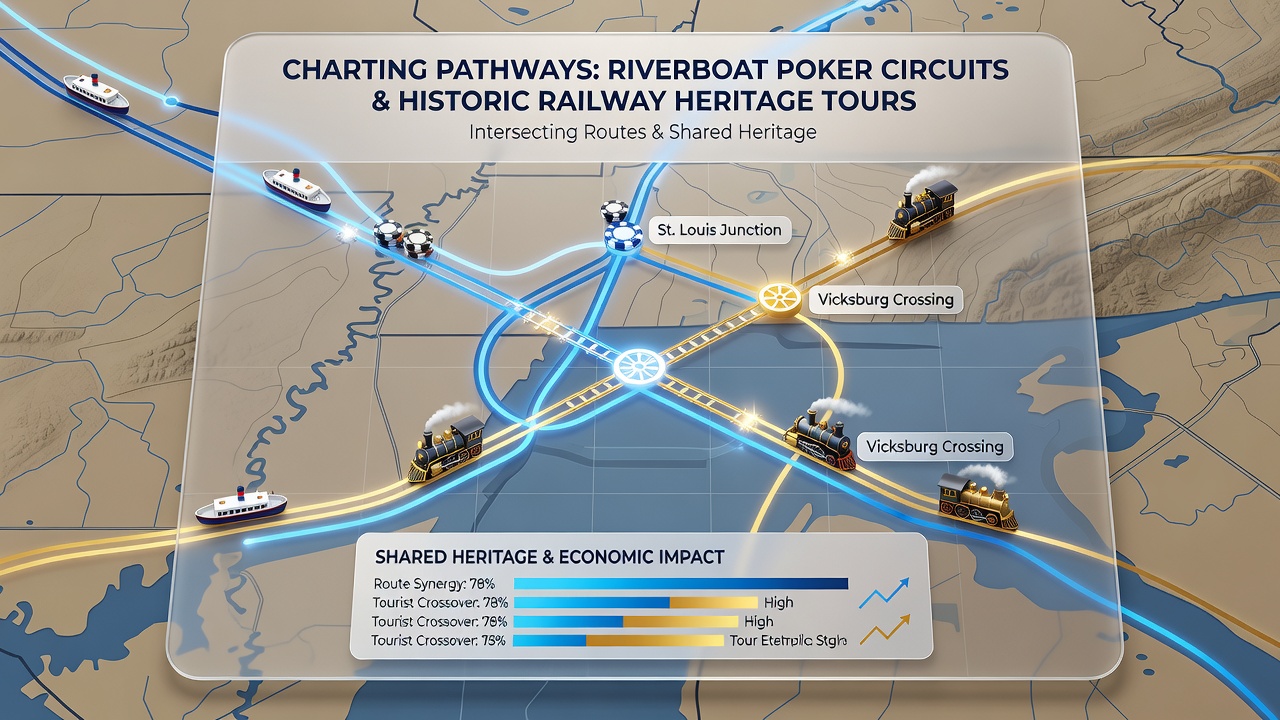
Further south, the St. Louis riverfront serves as another junction point where Amtrak and heritage operators share trackage rights with commercial lines. Travelers who complete a poker session on vessels berthed near the Gateway Arch can transfer to trains that follow the Missouri River valley westward, stopping at stations equipped with transfer services to additional riverboat properties in Missouri. Records maintained by the Missouri Division of Tourism indicate that combined rail and river packages accounted for a measurable share of visitor inquiries during the preceding summer season.
Operational Details and Scheduling Factors
Operators publish joint timetables that list specific departure windows, allowing participants to reserve both gaming and rail segments through single booking platforms. June 2026 calendars show departures timed to coincide with evening poker tournaments on the water and morning rail departures that avoid overlapping with freight traffic. Preservation groups coordinate with gaming commissions to verify that all stops remain within licensed jurisdictions, while track maintenance windows are scheduled outside peak tourist months.
Equipment used on these heritage lines includes restored Pullman coaches and diesel locomotives originally built for mid-20th-century service, wth capacity figures published by each operator ranging from 120 to 200 passengers per train. Riverboat vessels maintain separate player areas for poker that operate independently from slot floors, and onboard staff provide transfer information upon request. Those who have completed the full circuit report that the layered schedule permits visits to multiple properties within a four-day window without requiring overnight highway stops.
Regional Variations in Route Design
Northern segments originating in Wisconsin incorporate shorter rail spurs that connect Lake Michigan ports with river access points along the Mississippi, creating loops that return travelers to their starting city within 72 hours. These routes utilize equipment maintained by the Mid-Continent Railway Museum and operate on tracks that once carried dairy and lumber shipments. Southern extensions reach into Kentucky border areas where additional heritage operators run seasonal trains that intersect with river traffic at Paducah, although licensing rules require separate arrangements for gaming participation.
Ticketing systems now integrate with state gaming authority databases to confirm age and identification requirements at each venue, while rail operators issue separate boarding passes that include transfer vouchers. Data compiled by regional economic development agencies show that these combined excursions generate measurable activity for both sectors during shoulder months such as June, when river levels remain stable and rail track conditions support regular service.
Conclusion
Coordination between riverboat operators and railway heritage organizations continues to produce documented pathways across the Midwest that combine poker circuits with preserved rail infrastructure. Published schedules for June 2026 reflect ongoing alignment of departure times and transfer logistics at multiple river ports. Travelers who follow these routes encounter both gaming venues and historic rail assets within single itineraries, supported by joint timetables adn capacity data released by participating organizations.