22 May 2026
Senate Subcommittee Examines Sports Betting Growth and Integrity Risks in Athletics
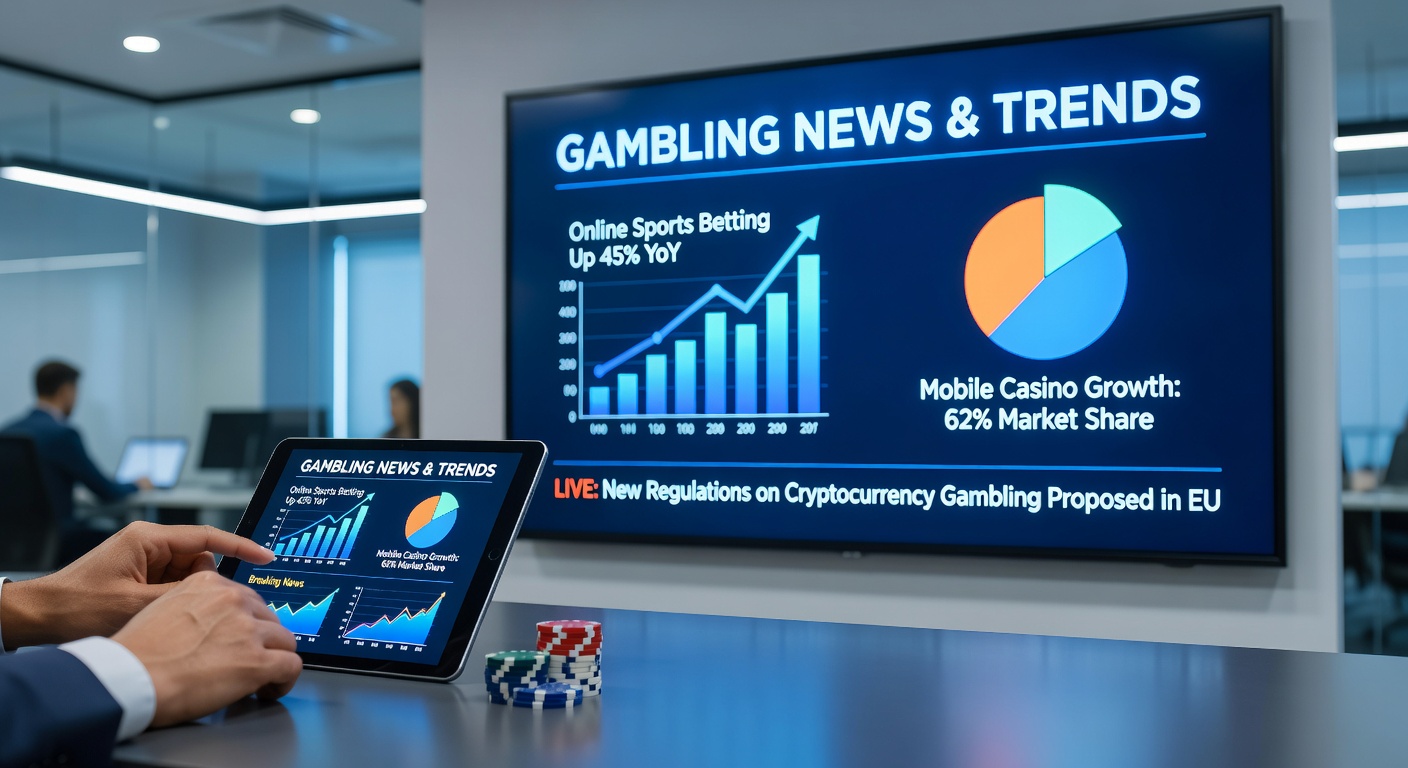 teh Senate Commerce, Science and Transportation Committee's consumer protection subcommittee convened a hearing in May 2026 to address the expanding influence of sports betting across professional and collegiate sports. Lawmakers reviewed recent allegations of game-fixing that have surfaced in the NBA, MLB, and NCAA, and they explored whether existing oversight frameworks require updates to handle online wagering platforms and prediction markets. Observers note that the session focused on how betting activity has accelerated since states began legalizing sports wagering after the 2018 Supreme Court decision. Data from regulatory bodies shows continued expansion in handle volumes, which prompted senators to question whether federal involvement should increase to protect game integrity and address emerging market structures.
Recent Scandals Prompt Renewed Attention
Allegations involving players, coaches, and associates in multiple leagues formed a central part of the discussion. Subcommittee members examined specific cases where individuals faced accusations of manipulating outcomes or sharing non-public information with bettors. These incidents, according to testimony summaries, raised questions about monitoring systems currently operated by leagues and state regulators.
Experts who study sports governance point out that collegiate athletics present additional challenges because of the large number of events and varying levels of institutional resources for compliance. Professional leagues have implemented betting monitoring partnerships with data providers, yet lawmakers asked whether those arrangements scale effectively when prediction markets operate across state lines and internationally.
Lawmakers Highlight Oversight Gaps
Sens. Marsha Blackburn and Ted Cruz participated in the questioning and emphasized the need to evaluate federal authority over platforms that allow users to trade contracts on game results or player performance. The senators referenced how certain prediction markets structure wagers as event contracts, which some operators argue places them under commodities regulation rather than traditional gambling statutes.
Committee staff presented information showing that platforms such as Kalshi and Polymarket have seen increased user activity tied to sports outcomes. Lawmakers discussed whether this activity creates opportunities for individuals with access to locker-room information to gain unfair advantages, a concern that echoes classic insider-trading issues in financial markets.
Observers note that the hearing also touched on how online wagering operators currently report suspicious betting patterns to state regulators. Several witnesses described existing information-sharing agreements, while senators explored whether a centralized federal database would improve detection speed when multiple states are involved.
Prediction Markets and Regulatory Questions
Prediction markets differ from standard sportsbooks because they often permit trading on a wider range of outcomes, including individual player statistics and game events. Lawmakers reviewed how these markets clear trades continuously rather than at fixed odds, which can produce rapid price movements that attract attention from sophisticated participants.
Those who've followed commodities regulation note that the Commodity Futures Trading Commission has asserted jurisdiction over certain event contracts. Subcommittee members asked whether this framework adequately covers sports-related contracts or whether additional legislation would clarify boundaries and reduce ambiguity for operators and users alike.
Potential Paths for Federal Involvement
During the session, senators discussed several options for increased federal oversight. One approach involved requiring all platforms that facilitate sports-related contracts to register with a federal agency and submit to standardized reporting on user activity and risk controls. Another idea centered on mandating real-time data feeds from leagues to both state and federal monitors.
Committee members also considered whether age-verification standards and self-exclusion lists should become uniform across jurisdictions. Witnesses from regulatory organizations described how current state-by-state rules create compliance variation that some operators find difficult to manage at scale.
Industry and League Perspectives Presented
Representatives from major sports leagues outlined existing integrity programs that combine betting data analysis with investigations into irregular patterns. These programs have identified anomalies in recent seasons, leading to player suspensions and ongoing inquiries. Lawmakers asked how those programs might integrate with federal reporting requirements if Congress moves forward with new legislation.
Operators of prediction markets testified about their compliance teams and internal controls designed to prevent prohibited trading by insiders. They noted that their platforms already restrict accounts based on geographic location and monitor for coordinated activity across users. Senators requested additional details on how these controls adapt when new sports seasons begin and betting interest shifts rapidly.
Looking Ahead After the Hearing
The subcommittee did not vote on legislation during the May 2026 session, but members indicated that follow-up requests for documents and additional testimony would continue. Staff are expected to prepare a summary report that could inform future committee action on sports wagering oversight.
People who've tracked similar hearings observe that recommendations sometimes lead to draft bills addressing specific issues such as data access or cross-state enforcement cooperation. The current record will likely serve as reference material if those drafts advance.
Conclusion
The May 2026 hearing underscored ongoing legislative interest in how sports betting and prediction markets intersect with game integrity. Lawmakers received updates on recent scandals, examined regulatory distinctions between traditional sportsbooks and event-contract platforms, and considered whether federal standards could supplement existing state frameworks. Further committee work will determine whether those considerations translate into specific legislative proposals in the months ahead.