27 May 2026
Tennessee Governor Bill Lee Enacts Immediate Prohibition on Dual-Currency Sweepstakes Casinos
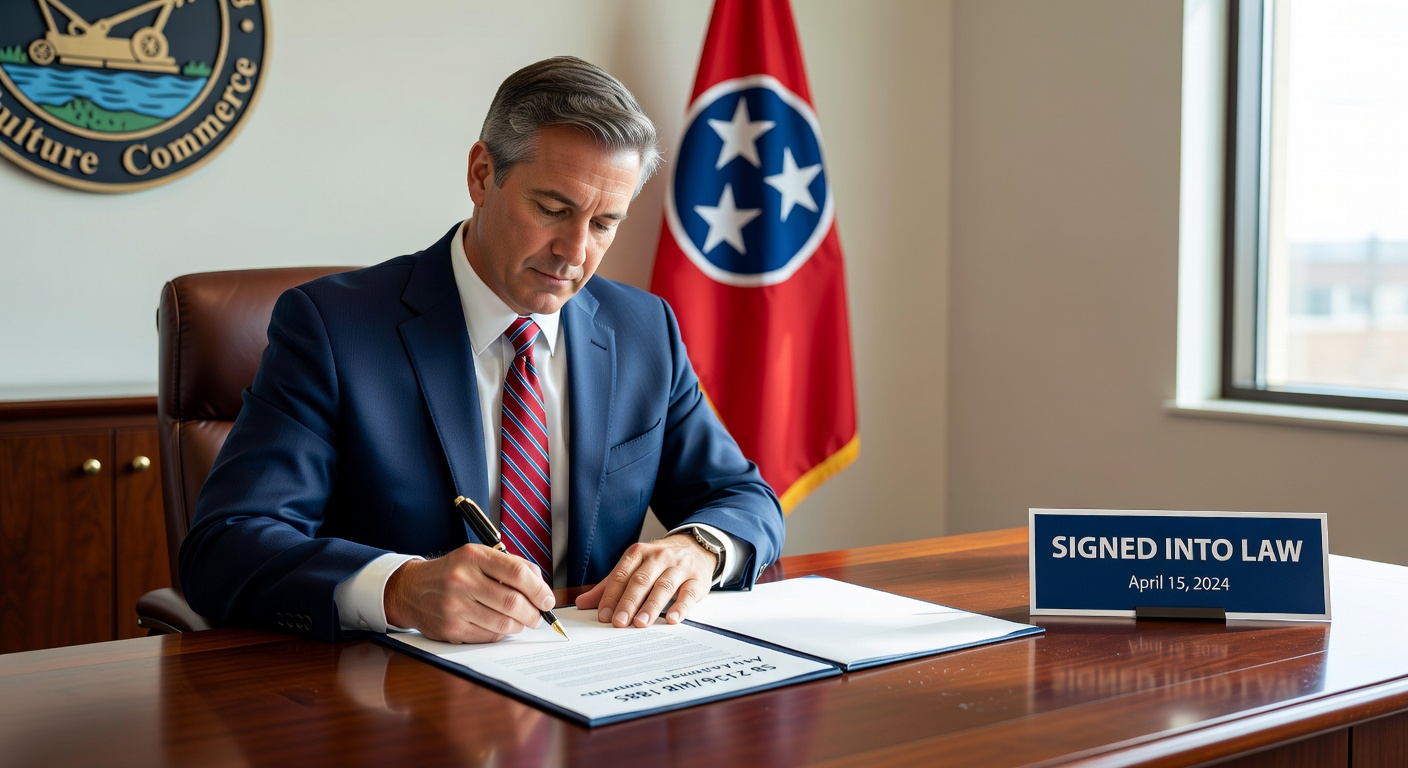
 Tennessee Governor Bill Lee signed legislation including SB 2136 and HB 1885 that classifies dual-currency sweepstakes casinos as illegal gambling under the state’s Consumer Protection Act, and the measure took effect right away upon approval. This action positions Tennessee as the seventh state to implement such restrictions on these platforms that operate through unregulated online channels. State officials had previously issued cease-and-desist orders through the attorney general’s office, which set the stage for this formal legislative step aimed at addressing sweepstakes-based gaming activities across the jurisdiction. The new provisions specifically target operations relying on dual-currency models where users exchange funds for virtual items that enable prize drawings. Under the updated framework these activities now fall within the definition of illegal gambling, which expands enforcement tools available to state regulators and consumer protection agencies. Observers note that the immediate effective date means operators must adjust their practices without any transition period, and this aligns with prior enforcement patterns seen in other states that have addressed similar platforms.
Legislative Details and State Context
The bills SB 2136 and HB 1885 amend existing statutes to incorporate sweepstakes casinos into the Consumer Protection Act’s gambling prohibitions, creating clearer pathways for civil and administrative actions against non-compliant entities. Lawmakers passed the measures after reviewing how these platforms function through gold coin and sweepstakes coin systems that allow players to access games while skirting traditional regulatory structures. Data from state records indicate that Tennessee joins six other jurisdictions that have already enacted comparable restrictions, forming a growing network of states applying uniform standards to this segment of online gaming.
Those who have tracked regulatory developments point out that the attorney general’s earlier cease-and-desist directives targeted specific operators and warned them about potential violations, which provided momentum for the legislative package. The combined approach of enforcement notices followed by statutory changes reflects a pattern used in multiple states where initial administrative steps precede broader legal updates. Figures from regulatory filings show that such dual-currency models have expanded rapidly in recent years, prompting coordinated responses from state governments seeking to maintain oversight of consumer-facing gaming activities.
Enforcement Mechanisms and Broader Implications
With the law now active, state agencies gain expanded authority to pursue actions against platforms that continue offering dual-currency sweepstakes products to Tennessee residents. The Consumer Protection Act framework allows for penalties and injunctive relief that can be applied directly to operators and payment processors involved in these transactions. Industry reports indicate that similar bans in other states have led to shifts in how platforms structure their services or limit access based on user location data.
Researchers examining interstate regulatory trends have documented how seven states now share consistent policies on these sweepstakes formats, which reduces opportunities for operators to relocate activities across nearby borders. The Tennessee legislation includes provisions that address both the offering and advertising of such platforms, which extends the reach of enforcement beyond direct operators to marketing partners and affiliate networks. According to records from state legislative sessions, the bills received support from consumer protection advocates who highlighted concerns over transparency in prize structures and fund redemption processes used by dual-currency systems.
One study from a university research center on gaming policy found that states implementing these bans often experience measurable declines in complaints related to unregulated sweepstakes sites within the first year of enforcement. Tennessee’s approach integrates the new rules into existing consumer protection statutes rather than creating standalone gaming regulations, which streamlines implementation across multiple state departments. This method allows the attorney general’s office to continue its prior work while incorporating additional statutory backing for ongoing investigations.
Comparison with Other State Actions
States that preceded Tennessee in enacting these restrictions used a variety of legislative and administrative tools to address dual-currency sweepstakes, yet Tennessee’s immediate effective date distinguishes it from approaches that included phased compliance periods. Government agencies in those earlier states reported that enforcement focused initially on major platforms before expanding to smaller operators and related service providers. Data compiled by regional regulatory bodies show that coordinated state actions have influenced how sweepstakes platforms manage user verification and geographic restrictions in real time.
Legislative records reveal that Tennessee’s bills received input from multiple committees that examined both consumer protection angles and potential revenue implications for state-licensed gaming sectors. The resulting statute emphasizes classification under existing illegal gambling definitions, which avoids creating new regulatory categories while still providing clear enforcement standards. Those monitoring these developments note that the seventh-state milestone creates additional precedent for other jurisdictions considering similar measures in upcoming legislative sessions.
Conclusion
The signing of SB 2136 and HB 1885 by Governor Bill Lee establishes Tennessee as the latest state to prohibit dual-currency sweepstakes casinos through its Consumer Protection Act, with the changes becoming active immediately upon approval. This follows prior cease-and-desist actions and brings the total number of states with such restrictions to seven. State agencies now operate under expanded authority to address these platforms, which connects to ongoing efforts across multiple jurisdictions to regulate online sweepstakes activities. The legislation integrates directly into existing legal structures, providing continuity with previous enforcement steps taken by the attorney general’s office.