3 Jun 2026
Uncovering Lesser-Known Strategies for Aligning Casino Visits with Local Festival Calendars in Non-Traditional Gaming Locales
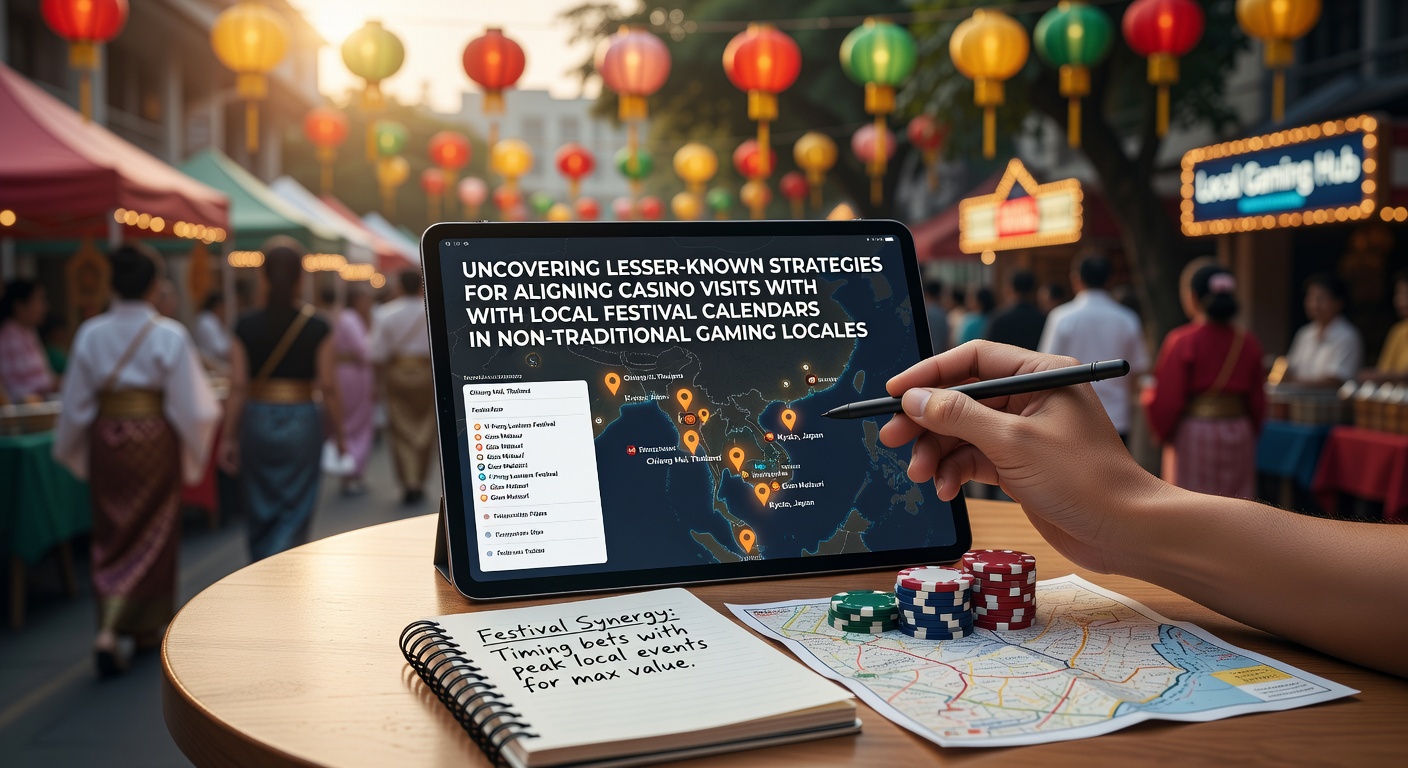
Non-traditional gaming locales often feature tribal casinos, riverboat operations, and limited-stakes venues that sit outside major resort corridors, and these sites gain measurable foot traffic when operators and visitors coordinate arrivals with regional festivals. Research from industry reports indicates that synchronized timing produces higher occupancy rates at smaller properties because festival attendees extend their stays to include evening gaming sessions. Observers note that this alignment works best when planners review multi-month event calendars rather than relying on last-minute searches, since many community festivals publish dates six to nine months ahead through local tourism boards.
Mapping Emerging Gaming Markets to Festival Cycles
Locations such as central Oklahoma tribal facilities, Mississippi river counties, and select Canadian provincial sites host gaming floors that operate year-round yet see distinct spikes during cultural events. Data compiled by the National Indian Gaming Commission shows that properties near annual music and harvest festivals recorded visitor increases of 12 to 18 percent during overlapping weekends in recent years. Those who study visitation patterns find that pairing a Thursday arrival with a Friday street festival allows players to secure mid-week room rates before demand rises, while still accessing weekend casino promotions that many venues roll out to capture the influx.
Utilizing Niche Calendar Tools and Regional Databases
Standard travel platforms list headline events, yet lesser-known strategies involve cross-referencing state gaming commission filings with municipal festival permits. The Australian Gambling Research Centre published findings that travelers who consulted combined tourism-gaming datasets booked casino visits 22 percent more efficiently during regional wine and food festivals. Similar approaches apply in European markets where smaller licensed venues in Belgium and the Netherlands publish joint calendars through provincial tourism offices, allowing visitors to identify quiet weekdays when festivals occupy public spaces but casino floors remain less crowded until evening hours.
Securing Targeted Promotions Through Advance Coordination
Many non-traditional properties release festival-specific offers only through direct email lists or regional partner sites rather than national marketing channels. Visitors who subscribe to tribal gaming newsletters or follow county event boards receive notice of matched-play coupons and shuttle services timed to coincide with parade routes or concert schedules. Figures from regulatory filings reveal that properties using these targeted campaigns achieve higher redemption rates because attendees already plan to be in the area, reducing the need for broad advertising spend.
Timing Considerations for June 2026 Events
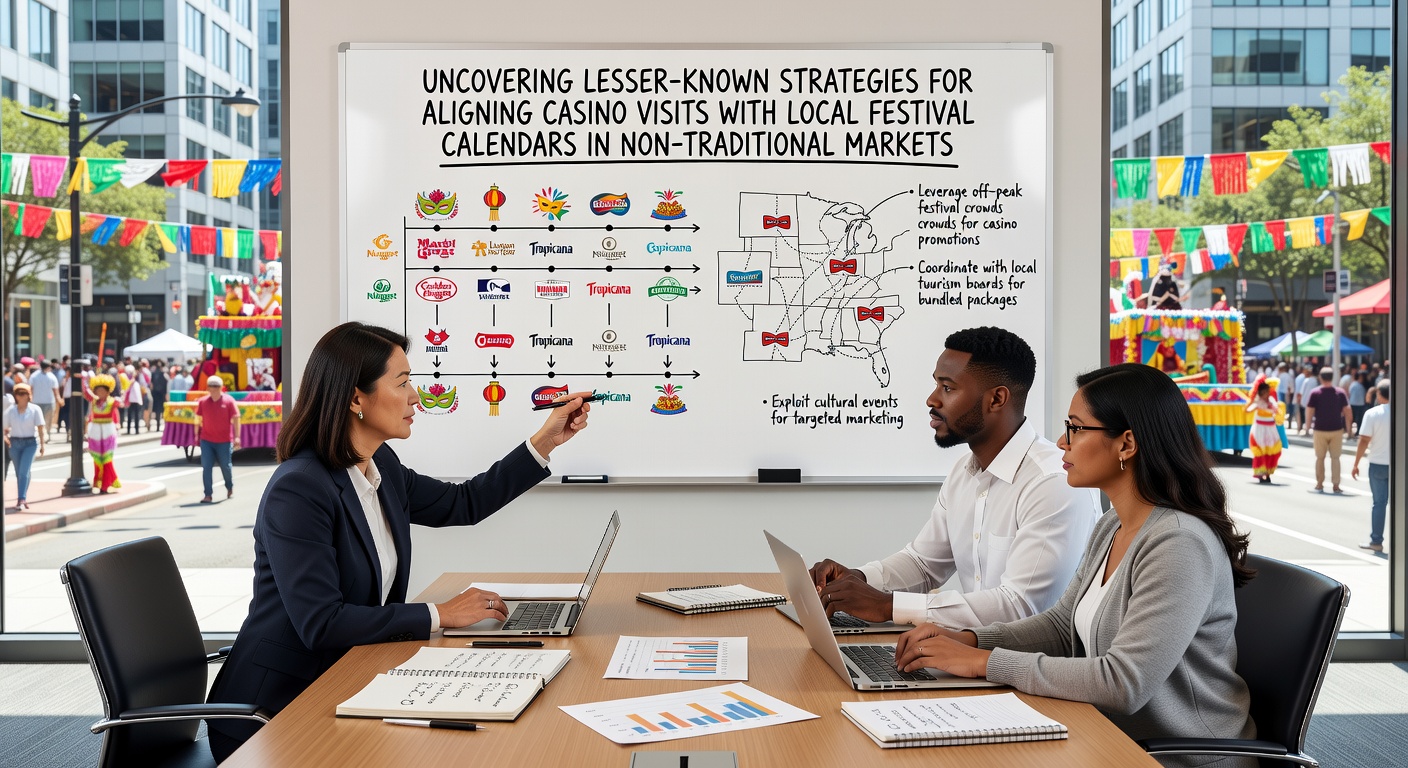
June 2026 features several documented regional gatherings that intersect with gaming calendars in non-traditional areas. Central Oklahoma tribal properties sit near multiple heritage festivals scheduled for early June, while Mississippi river counties host music events that draw day visitors who extend into overnight gaming. Analysts tracking these patterns note that advance room blocks at casino hotels fill faster when festival permits are approved, creating a window for strategic bookings between the announcement and peak pricing. Canadian sites in provinces with summer cultural weeks show parallel trends where mid-month overlaps produce measurable revenue lifts according to provincial reporting.
Transportation and Itinerary Layering Techniques
Effective alignment extends beyond dates to include ground transport options that connect festival grounds with casino entrances. Several Oklahoma and Mississippi venues operate shuttle partnerships during major events, and travelers who reserve these services alongside gaming packages avoid parking constraints that arise when public lots reach capacity. Data indicates that layered itineraries, which place daytime festival attendance ahead of evening table or slot sessions, correlate with longer overall property visits and higher per-person gaming volumes at smaller facilities.
Conclusion
Coordinating casino visits with local festival calendars in non-traditional gaming locales relies on access to combined event databases, early monitoring of permit filings, and direct outreach for venue-specific offers. Regulatory data and tourism statistics demonstrate that this approach delivers measurable benefits in occupancy and player engagement across multiple regions. Those who apply these methods consistently report smoother logistics and fuller schedules that incorporate both cultural programming and gaming floor time without overlap conflicts.